Quick List: UFL Teams, Cities, and Home Stadiums (2026)
If you want the fastest possible overview, this is it—team name, home city, and venue.
- Birmingham Stallions — Birmingham, Alabama — Protective Stadium
- Columbus Aviators — Columbus, Ohio — Historic Crew Stadium
- Dallas Renegades — Frisco (North Texas), Texas — Toyota Stadium
- DC Defenders — Washington, D.C. — Audi Field
- Houston Gamblers — Houston, Texas — Shell Energy Stadium
- Louisville Kings — Louisville, Kentucky — Lynn Family Stadium
- Orlando Storm — Orlando, Florida — Inter&Co Stadium
- St. Louis Battlehawks — St. Louis, Missouri — The Dome at America’s Center
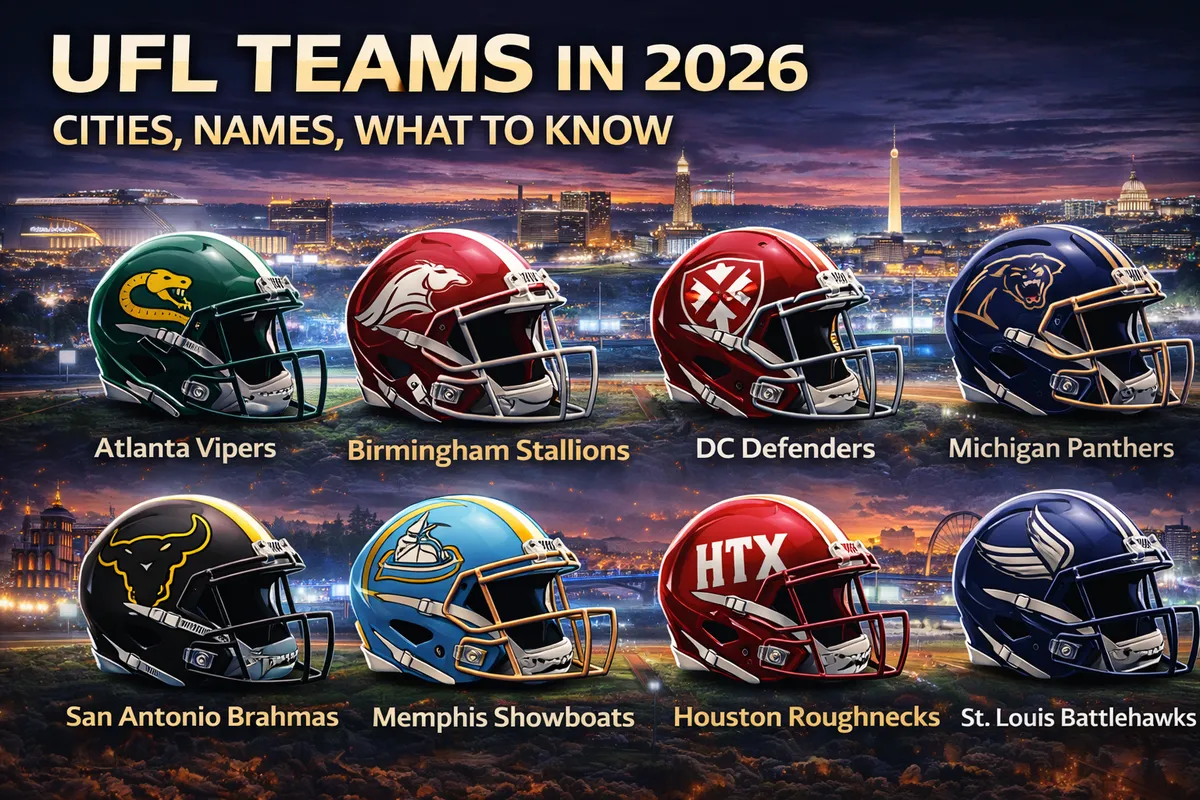
What Changed for 2026: New Cities, New Names, New Venues
The 2026 season is a pivot point for the league. Three teams are brand-new franchises in brand-new markets, and two existing franchises adopt new names (plus venue changes) that signal a new direction.
Three new franchises join the league in 2026
- Columbus Aviators (Columbus, Ohio)
- Louisville Kings (Louisville, Kentucky)
- Orlando Storm (Orlando, Florida)
These teams take the place of three franchises that competed in earlier UFL seasons:
- Memphis Showboats
- Michigan Panthers
- San Antonio Brahmas
Two rebrands that matter
- Arlington Renegades → Dallas Renegades
- This isn’t just a name change; it’s about reflecting a North Texas identity and playing in Frisco.
- Houston Roughnecks → Houston Gamblers
- Houston returns to the “Gamblers” identity while also moving into a more intimate, downtown venue.
The venue strategy is part of the story
A clear theme in 2026 is the UFL’s focus on smaller, louder, more intimate stadiums—many of them soccer-specific venues designed to keep fans close to the action. That impacts atmosphere, camera angles, crowd noise, and even how “big” a game feels on a Friday night broadcast.
How the 2026 League Format Works (Simple Version)
For 2026, the UFL structure is easy for beginners:
- The league functions as one united eight-team league (not split into two conferences).
- The top four teams by record qualify for the playoffs.
- The postseason is short and intense: playoff games followed by a championship game.
Why this matters for fans:
With only eight teams and just four playoff spots, every win carries weight. By Week 3, you’ll already see a real separation between contenders and teams that need a turnaround.
Birmingham Stallions: City, Stadium, What to Know
Birmingham’s team is the easiest entry point for many new fans because the Stallions carry one of the strongest winning identities in modern spring football. If you like following a franchise with high expectations every week, Birmingham is built for that.
Home city vibe (Birmingham, Alabama)
Birmingham is a serious football market. It’s the kind of city where fans understand the game, appreciate physical play, and show up when they believe the product is real. In spring football, that matters—teams that feel “important” locally often become the league’s backbone.
Home stadium (Protective Stadium)
- Protective Stadium is a modern venue in downtown Birmingham with a listed seating capacity of 47,100.
- A larger stadium can feel huge when it’s full, but it can also feel quiet if a crowd is spread out. That’s why the Stallions’ ability to draw and energize fans is a big storyline every year.
Head coach angle to know
For 2026, Birmingham’s leadership story is headline-worthy: A.J. McCarron takes over as head coach. That creates immediate curiosity—especially because he’s a recognizable name to many football fans and ties directly into Alabama football culture.
What to watch for as a beginner
- Standard games: Birmingham is often treated as a measuring stick. Opponents tend to bring playoff-level intensity.
- Crowd identity moments: Birmingham promotes city-themed game-day celebrations, including color-out traditions that make the stadium feel unified.
Best way to enjoy Stallions games
- If watching on TV, keep an eye on how quickly Birmingham tries to control momentum early. Teams with championship identity often aim to “break” an opponent’s confidence fast.
- If attending live, arrive early—bigger stadiums reward early arrival because walking, entry, and finding seats can take longer.
Columbus Aviators: City, Stadium, What to Know
Columbus is one of the most interesting UFL additions in 2026 because it’s a city with a proven appetite for sports—and a stadium that already has a strong “event history.” For many fans, Columbus will feel like the league’s freshest chapter.
Home city vibe (Columbus, Ohio)
Columbus is a growing sports city with a mix of college sports energy, pro sports culture, and a strong appetite for live events. That combination is perfect for spring football because you don’t need decades of history to build a loud home environment—you need fans willing to adopt something new.
Home stadium (Historic Crew Stadium)
- The Aviators play at Historic Crew Stadium, a well-known soccer venue with a listed capacity of 19,968 (in its soccer configuration).
- The “historic” label isn’t marketing fluff—this stadium carries meaning in modern U.S. sports facility history, which adds instant identity to a brand-new football team.
Head coach angle to know
Columbus begins its inaugural season under Ted Ginn Jr. That’s a name many football fans recognize, and it gives the franchise immediate credibility and a clear storyline: a first-year team trying to build a culture from scratch.
What to watch for as a beginner
- First-season identity building: In Year 1, teams often discover their personality in real time—what they do on fourth down, how they handle pressure, and which players become fan favorites.
- Crowd growth curve: Brand-new franchises can start strong if the first home games feel like “must-attend events.” Early wins matter more than usual.
Game-day tips that make Columbus easier
- Smaller stadiums are a gift for beginners: sightlines are cleaner, you feel closer to the action, and the game reads faster.
- If you’re attending, plan to be in your seat early for the first drive—new teams often emphasize intros, fan moments, and debut traditions that will become part of the Aviators’ identity.
Dallas Renegades: City, Stadium, What to Know
Dallas (North Texas) is a massive football region. The Renegades represent that energy, and the 2026 identity is designed to feel more directly connected to the area than ever before.
Home city vibe (Frisco / North Texas, Texas)
When people say “Dallas,” they often mean the larger North Texas sports ecosystem. Frisco is deeply connected to that identity—sports facilities, events, and big-game culture are normal here. A spring football team in this area is always going to attract attention simply because football is part of the region’s weekly rhythm.
Home stadium (Toyota Stadium)
- The Renegades play at Toyota Stadium in Frisco.
- Toyota Stadium is in the middle of a major renovation phase. The listed capacity is about 11,000 during construction, with a larger capacity planned after reconstruction.
Why that stadium detail matters
A smaller temporary capacity can actually help atmosphere. Fewer empty seats = more visible energy on TV and a tighter, louder in-person experience. For spring football, that’s often a win.
Head coach angle to know
Dallas is led by Rick Neuheisel, a coach with a big-profile background. The narrative is straightforward: Dallas wants to be a premier franchise in a premier football region—and the league is clearly positioning the team to feel important.
What to watch for as a beginner
- Prime-time feel: Dallas games are often built to feel like events, especially in unique time slots that stand out on the sports calendar.
- Quarterback-led identity: Dallas has emphasized experienced quarterback leadership in 2026 coverage, which often translates to cleaner offense early in the season.
Game-day tips that help in Texas
- Texas spring evenings can still be warm, and stadium sun exposure matters. Dress for shifting conditions (sun early, cooler later).
- Because of renovations and construction phases, check game-day instructions closely—entry points and parking patterns can change season to season.
DC Defenders: City, Stadium, What to Know
If you want a team with immediate edge, clear branding, and a market built for big sports moments, DC is a top choice. The Defenders also bring a powerful storyline into 2026: they enter the season as the defending UFL champions.
Home city vibe (Washington, D.C.)
D.C. fans love intensity. When a team gives them a reason to show up, the environment can turn fast—loud, emotional, and relentlessly engaged. Spring football thrives in markets that bring personality, and DC has that in a real way.
Home stadium (Audi Field)
- The Defenders play at Audi Field, with a listed capacity of 20,000.
- A 20k venue is a sweet spot: it’s big enough to feel major, but small enough to get loud fast.
Head coach angle to know
The Defenders are led by Shannon Harris, who carried a major leadership storyline in the previous season and now faces the pressure that comes with being the hunted, not the hunter.
What to watch for as a beginner
- Championship expectations: Every opponent brings extra energy against the defending champs.
- Emotion management: A high-intensity team can win big and also swing wildly if momentum flips. That’s part of the fun.
Game-day tips for Audi Field
- Urban stadiums are often easiest with public transit or rideshare. Plan a simple arrival plan and don’t leave it to the last minute.
- If you want maximum atmosphere, sit where the loudest supporters tend to cluster—those areas create the soundtrack you’ll hear on TV.
Houston Gamblers: City, Stadium, What to Know
Houston’s 2026 identity is one of the clearest “fresh start” stories in the league: a new name, a new stadium environment, and a leadership figure with major recognition.
Home city vibe (Houston, Texas)
Houston is huge, diverse, and sports-aware. For spring football, that means the audience isn’t automatically guaranteed—but if the product is exciting and the experience feels worth it, Houston can turn into a strong, loyal market quickly.
Home stadium (Shell Energy Stadium)
- The Gamblers play at Shell Energy Stadium, a downtown venue with a listed capacity of 20,656.
- It’s located in Houston’s East Downtown area, and it’s known for a tighter, close-to-the-field feel compared to larger football stadiums.
Head coach angle to know
Houston is led by Kevin Sumlin in 2026. Even casual college-football fans recognize that name. For a spring league, recognizable coaching matters because it gives new viewers a reason to care before they’ve memorized the roster.
What to watch for as a beginner
- The “new name, new home” effect: Rebrands only work if the team feels different on game day. Watch crowd energy, on-field confidence, and whether Houston’s home games feel like a destination event.
- Risk vs. reward: Houston is a market where explosive, aggressive football can become the team’s brand if early results cooperate.
Game-day tips for Houston
- Downtown stadiums can mean easier access but more traffic patterns. Build in buffer time.
- If you’re making a weekend out of it, plan a pregame routine that’s simple: arrive early, eat before entry, and get settled so you don’t miss the opening possessions.
Louisville Kings: City, Stadium, What to Know
Louisville is one of the most important UFL additions in 2026 because it’s a fresh market with deep sports pride and an easy storyline: pro football arrives in Kentucky in a new form. If you like being part of a new tradition from Day 1, Louisville is the team.
Home city vibe (Louisville, Kentucky)
Louisville knows how to rally around sports identity. Big events are part of the city’s culture, and that matters for spring football. The Kings can build momentum fast if the early home games feel like community moments—not just games.
Home stadium (Lynn Family Stadium)
- The Kings play at Lynn Family Stadium, with 11,700 permanent seats and an overall capacity listed up to 15,304 with standing room.
- Smaller capacity often creates a stronger atmosphere—every cheer matters more, and TV shots look fuller.
Head coach angle to know
Louisville is led by Chris Redman, a Louisville-connected football figure. For a brand-new franchise, that “home ties” story is gold: it tells fans, immediately, that the team is meant to belong here.
Big schedule moment that matters for identity
Louisville leans into local culture with a major themed highlight: a Derby Week tradition built around a special Thursday night home game on April 30, 2026, tied to Kentucky Derby week energy. Even if you’re not a Louisville local, it’s the type of event that makes a franchise feel real.
What to watch for as a beginner
- Inaugural-season emotion: New teams often play with a different kind of energy early—everything is “first ever.”
- How quickly fans adopt rituals: Color themes, mascots, home traditions—these become the glue that keeps attendance strong.
Game-day tips that help in Louisville
- If you’re traveling, treat it like an event: get there early, explore nearby areas, and plan your exit. Smaller venues still get crowded at entry and exit because the whole crowd moves at once.
- Keep an eye on theme nights. New franchises often use them to make every home date feel different.
Orlando Storm: City, Stadium, What to Know
Orlando is built for entertainment. That might sound like a cliché, but for spring football it’s actually a strategic advantage: if a team delivers a fun game-day product, Orlando can turn it into a weekly plan for locals and visitors alike.
Home city vibe (Orlando, Florida)
Orlando has constant tourism and a strong local sports scene. That means the team can market itself not only as “football,” but as a weekly experience—something you do with family or friends because it’s fun, not because you’ve followed the franchise for 20 years.
Home stadium (Inter&Co Stadium)
- The Storm play at Inter&Co Stadium, with a listed capacity of 25,500.
- Stadium design details matter here: the venue is known for a 360° lower bowl and a canopy that helps amplify crowd noise, which can turn a 25k crowd into something that feels louder than the number suggests.
Head coach angle to know
Orlando’s inaugural season is led by Anthony Becht, a proven spring-football head coach who built a strong record prior to the move. That gives Orlando an immediate “we’re not here to learn slowly” identity.
What to watch for as a beginner
- Noise factor: Pay attention to how loud broadcasts sound during Orlando home games. Stadium architecture can create a real home-field advantage.
- Early-brand building: New teams often define themselves with signature moments—first home win, first comeback, first star player the crowd adopts.
Game-day tips for Orlando
- Florida weather can change quickly. Plan for heat, humidity, and surprise rain—light layers and a simple rain plan go a long way.
- If you’re attending, arrive early to enjoy the full stadium vibe. Orlando’s venue layout and fan areas can be part of the experience, not just the seating bowl.
St. Louis Battlehawks: City, Stadium, What to Know
St. Louis is one of the strongest spring-football markets in the country. If you like big crowds, loud traditions, and a team that feels like it matters in its city, St. Louis is the flagship fan experience.
Home city vibe (St. Louis, Missouri)
St. Louis fans show up when they feel represented. The Battlehawks have become a symbol of that—an “our city loves football” statement that keeps growing. For new viewers, St. Louis games are often the quickest way to understand why the UFL works.
Home stadium (The Dome at America’s Center)
- The Battlehawks play at The Dome at America’s Center, with a listed full-stadium capacity of 67,277 for football.
- The Dome is massive compared to most UFL venues. When crowds build, the atmosphere feels major-league—especially because indoor sound can stack and echo.
Head coach angle to know
St. Louis enters 2026 with a new leader: Ricky Proehl, a St. Louis-connected football figure. That’s a meaningful identity move because it ties the team directly to local football heritage.
The rivalry storyline beginners should know
St. Louis opens the season at home against DC in a marquee matchup that’s often treated as a headline game. If you want one “starter game” to watch that teaches you what UFL atmosphere looks like, this is the type of matchup that does it.
What to watch for as a beginner
- Crowd influence: When the Dome is loud, it changes game rhythm—timeouts feel bigger, momentum swings feel sharper.
- Big-game feel: St. Louis broadcasts often feel like “appointment viewing,” even for neutral fans.
Game-day tips for St. Louis
- Large venues reward a plan: know entry gates, arrive early, and expect longer walks inside.
- If you’re chasing the best atmosphere, pick a game with a major opponent or special theme—those nights turn the Dome into a true event.
How to Choose a UFL Team in 2026 (Even Without a Hometown Market)
Not everyone lives near a UFL city. That’s normal. Here’s a practical way to pick a team you’ll actually enjoy following.
Choose by stadium experience
- Want the loudest, biggest environment? St. Louis is the obvious pick.
- Want intimate, close-to-the-field football? Louisville, Houston, DC, and Columbus offer that tight-stadium feel.
- Want a big-market vibe? Dallas and Houston bring that energy.
Choose by story
- Want a powerhouse standard? Birmingham carries high expectations.
- Want a defending-champion narrative? DC has it.
- Want to be there from the beginning? Columbus, Louisville, Orlando are brand-new franchises with “first-ever” moments.
Choose by leadership
If you like following coaches:
- Birmingham: A.J. McCarron
- Columbus: Ted Ginn Jr.
- Dallas: Rick Neuheisel
- DC: Shannon Harris
- Houston: Kevin Sumlin
- Louisville: Chris Redman
- Orlando: Anthony Becht
- St. Louis: Ricky Proehl
Choose by one weekend test
Watch one weekend as a neutral fan. After you see two close finishes, you’ll find yourself naturally rooting for a team’s comeback, defense, or crowd. That “pull” is the best way to pick.
The Stadium Factor: Why UFL Venues Matter More Than You Think
In spring football, the stadium is not just the setting—it’s part of the product. That’s why the UFL’s 2026 venue choices matter.
Smaller stadiums make games feel fuller
A 12k–21k venue that’s energized looks great on TV and feels loud in person. For a league that’s still building, that matters more than bragging rights about maximum capacity.
Soccer venues create better sightlines
Soccer-specific stadiums are designed to keep fans close. That means:
- fewer “dead zones” in seating,
- better angles to see spacing and route concepts,
- more crowd noise reaching the field.
Large venues can be special, but they must be earned
St. Louis is the example: a big stadium can feel electric when the crowd is real and unified. When it works, it’s one of the best atmospheres in the league.
Practical 2026 Rules That Shape How Teams Play
This page is about teams, but rules explain why certain teams feel more exciting—especially late in games. Here are the rule concepts that most directly affect how teams approach strategy in 2026.
4-point field goal from deep range
Long kicks can change scoreboard math quickly, especially near the end of halves.
No punting inside the opponent’s 50 (most of the time)
This increases fourth-down attempts and makes territory battles more aggressive.
One-foot in-bounds catches
Sideline throws become more valuable and can extend drives in ways NFL-only fans don’t expect.
Overtime is a short-field showdown
Overtime uses alternating attempts from close range, which makes coaching and execution feel intense immediately.
Why this matters when following teams
Teams with confident coaching and disciplined execution tend to benefit most from high-leverage rules. When you’re deciding who to follow, pay attention to:
- who stays calm in late-game situations,
- who converts fourth downs consistently,
- who makes smart decisions after touchdowns.
How to Follow Every UFL Team Week to Week
You don’t need to watch every snap to feel like a real fan. Here’s a simple routine that works.
Weekly routine (easy mode)
- Watch one full game (your team or the best matchup).
- Watch highlights for the rest.
- Check standings once midweek.
What to track for team understanding
- Record and tiebreak pressure (only four playoff spots)
- Home vs away performance (stadium atmosphere can matter a lot)
- Close-game results (teams that win late often become contenders fast)
How beginners become “in the loop” quickly
Pick one storyline per team you care about:
- New franchise trying to prove it
- Rebrand trying to reset identity
- Champion trying to repeat
- Big crowd market trying to own spring football
That’s enough to make every weekend feel connected.
BoostRoom
If you’re publishing sports content, building a fan community, or growing a business that wants seasonal traffic, UFL 2026 is a perfect opportunity because fans search nonstop for beginner answers: team names, cities, stadiums, coaches, new rules, and how to follow weekly.
BoostRoom helps turn that curiosity into real growth:
- SEO-first team pages that rank for “UFL team + city + stadium” searches
- Clean page structure that keeps visitors scrolling (and reduces bounce)
- AI-search-friendly formatting with direct answers and helpful context
- Content systems that scale: weekly previews, recaps, theme-night posts, and rule explainers
If your goal is to attract visitors, keep them on-site, and convert them into customers, BoostRoom builds UFL content that does more than fill a page—it performs.
FAQ
How many teams are in the UFL in 2026?
There are eight teams in the UFL for the 2026 season.
Which UFL teams are new in 2026?
Columbus Aviators, Louisville Kings, and Orlando Storm are new franchises in new markets.
Which teams changed names for 2026?
The Dallas Renegades name replaces the Arlington identity, and Houston uses the Gamblers identity while also shifting venues.
Do all UFL teams play in small stadiums?
Most teams play in smaller, more intimate venues (often soccer stadiums). St. Louis is the big exception with a large indoor dome.
What’s the best UFL team for a beginner to follow?
It depends on what you enjoy: Birmingham for championship expectations, DC for defending-champ storyline, St. Louis for huge atmosphere, or any new franchise for “first season” energy.
Which stadium is the biggest in the UFL for 2026?
The Dome at America’s Center in St. Louis has a listed football capacity over 67,000.
Which stadium is the smallest in the UFL for 2026?
Lynn Family Stadium in Louisville has 11,700 permanent seats (with additional standing-room capacity).
Do the new rules affect which teams are most exciting?
Yes. Rules that encourage fourth-down attempts, deep field-goal tries, and short-field overtime reward confident coaching and disciplined execution.
How can someone follow the league without watching every game?
Watch one full game per week, highlights for the rest, and check standings once midweek. That’s enough to stay current.



