What Are Runner Shells in Marathon (And Why They Matter More Than Your Gun)
In Marathon, you play as a Runner—a mercenary who operates using a specialized biosynthetic “Shell.” Practically, that means Shells work like classes: each one comes with a defined kit that shapes how you play every stage of an extraction run.
Most Shells follow the same structure:
- Prime ability: your biggest moment tool (often the swing that wins a fight or saves a run).
- Tactical ability: your repeat-use utility (setup, scouting, movement, healing, disruption).
- Traits: two built-in passives or lighter tools that define the Shell’s “always-on” identity.
- Customization: you tune the kit with Shell-specific Cores and universal Implants to match your style.
This matters because Marathon isn’t “who aims best wins.” It’s a survival game with PvPvE pressure, third parties, and extraction timing. Your Shell decides whether your default answer to danger is:
- fight and hold space
- vanish and reposition
- scan and track
- outrun and disrupt
- loot and escape
- heal and reset
- scavenge with minimal risk
If you choose a Shell that matches your natural decision-making, you’ll extract more even before your aim improves.
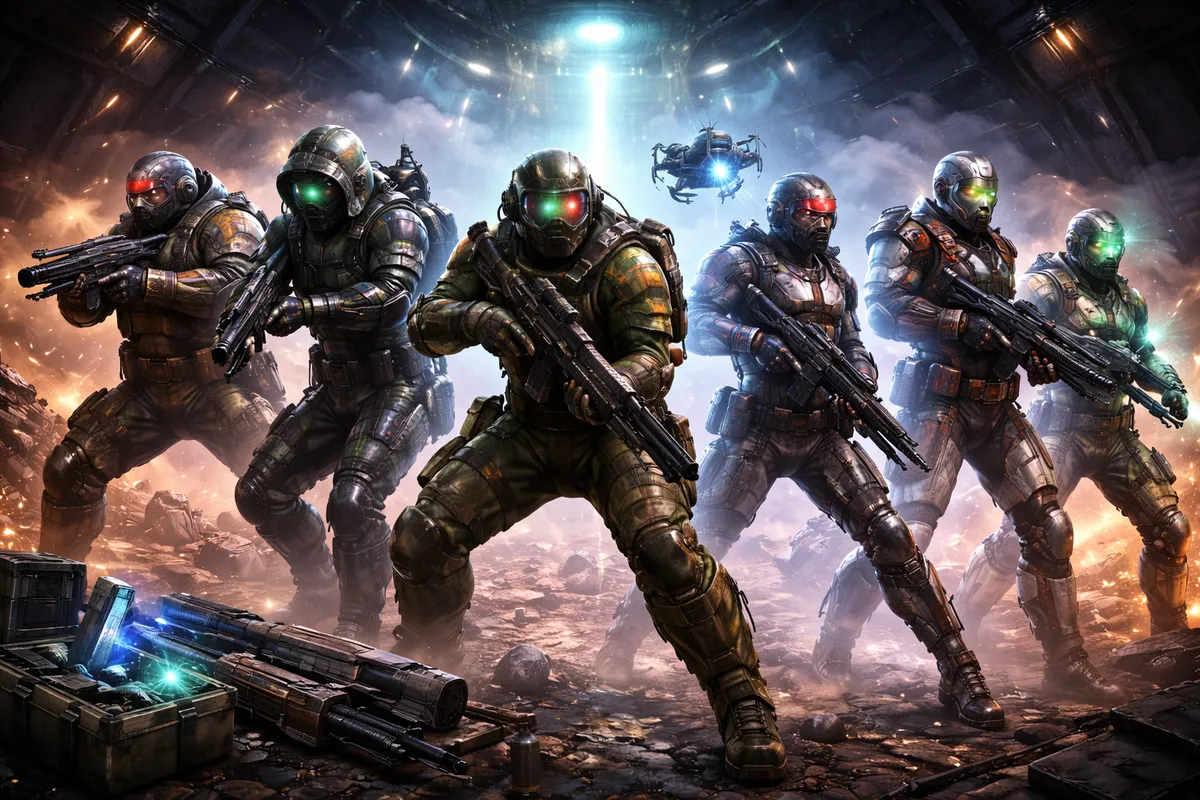
The 60-Second Shell Quiz (Pick Your Playstyle Fast)
Answer these honestly. Don’t pick what sounds cool—pick what you actually do under stress.
1) When you hear footsteps nearby, what do you do first?
- I push and take space immediately → Destroyer / Vandal
- I hide, set a trap, and strike first → Assassin
- I try to locate them before committing → Recon / Thief
- I position to keep my team alive and ready → Triage
- I avoid it completely and leave with value → Thief / Rook
2) What ends most of your runs?
- Getting deleted in the first burst → Destroyer (stabilize + survive first contact)
- Getting spotted first → Assassin / Recon (deny vision or gain intel)
- Getting chased down when you want to leave → Vandal / Thief (mobility + escape)
- Running out of healing/shields in long fights → Triage (resource advantage)
- Losing gear and tilting → Rook (rebuild + learn with low risk)
3) What’s your favorite kind of “win”?
- Winning a straight fight → Destroyer
- Winning without being seen → Assassin
- Winning because you read the map better → Recon
- Winning because you made enemies panic → Vandal
- Winning because you extracted rich → Thief
- Winning because your squad never fell apart → Triage
- Winning because you rebuilt from nothing → Rook
If two answers tie, pick based on your most common pain point: survivability, information, mobility, economy, or team stability.
How Shells Actually Win Runs: The 3 Jobs Every Kit Must Do
No matter which Runner Shell you choose, your kit must solve three problems to extract consistently:
1) First Contact (Avoid being surprised)
- Recon solves this with scans and tracking.
- Thief solves it with vision tools and drone utility.
- Assassin solves it by denying visibility and choosing timing.
- Destroyer solves it by surviving the first burst and holding angles.
- Vandal solves it by moving unpredictably and forcing reposition.
- Triage solves it by keeping health/shields stable through chip damage.
- Rook solves it by playing low-commitment survival routes.
2) Fight Reset (When the fight goes bad)
- Smoke, barricades, healing drones, knockback tools, grapples, and speed spikes are “reset buttons.”
- If your Shell doesn’t naturally reset fights, you must compensate with equipment choices and discipline.
3) Extraction Control (Leaving safely)
- The “best” Shell isn’t always the best duelist—it’s the Shell that reaches exfil alive with value.
- Stealth, healing, mobility, scouting, and space-making all matter more at extraction than raw damage.
Keep those three jobs in your head and Shell choice becomes simple: pick the kit that solves your weakest job.
Destroyer Shell Explained: The Frontline Combat Specialist
Who it’s for: players who want to anchor fights, push with confidence, and survive the first burst of damage.
Core identity: hold space, win trades, and turn “fair fights” into fights you control.
What Destroyer does best
- Creates cover and safety in open lanes using a defensive barrier tool.
- Wins tempo fights: when teams hesitate, Destroyer takes the doorway, the corner, the exfil angle.
- Punishes enemies who over-peek or try to brute-force your position.
What destroys Destroyer (common weaknesses)
- Getting baited into pushing without information.
- Overcommitting to “tank fantasy” and ignoring flanks.
- Staying too long in a fight and getting third-partied while you’re stuck holding ground.
How to play Destroyer like a smart beginner
- Treat your barrier as a time purchase: reload, heal, revive, reposition, or secure exfil timing.
- Start fights from cover, not from ego. You’re strong when you control angles.
- In squads, be the entry anchor: you take space first so your team can shoot from safety.
Practical “win condition”
- Destroyer wins when the enemy is forced to fight into your setup, or when you force them to rotate into your team’s crossfire.
Assassin Shell Explained: The Shadow Agent for Ambush and Reposition
Who it’s for: players who want stealth, outplays, and the ability to disengage when a fight turns ugly.
Core identity: deny sightlines, pick the moment, and reset fights with smoke and invisibility tools.
What Assassin does best
- Breaks line of sight and creates confusion in close and mid-range fights.
- Turns “being spotted” into “you lost track of me,” which is huge in extraction shooters.
- Excels at solo survival and solo objective play because stealth reduces forced fights.
What destroys Assassin
- Overconfidence: stealth isn’t immortality.
- Using invisibility/smoke too late (after you’ve already been tagged and tracked).
- Taking long fights where smoke becomes predictable and enemies hold angles outside the cloud.
How to play Assassin like a smart beginner
- Use smoke before you need it—when you’re rotating, reviving, or crossing a dangerous lane.
- Don’t stand inside smoke like it’s a fortress. Smoke is for movement, not camping.
- Create “unfair” fights: first shot advantage, angle advantage, or escape advantage.
Practical “win condition”
- Assassin wins when the enemy never gets a clean read: they waste time searching while you reposition, finish, or leave.
Recon Shell Explained: The Intel Specialist That Makes the Map Readable
Who it’s for: players who want information, tracking, and the power to avoid bad fights.
Core identity: reveal threats, track movement, and turn chaos into decisions.
What Recon does best
- Detects enemy presence so your team can rotate intelligently.
- Creates tracking pressure: once an enemy is identified, they can’t easily disappear.
- Helps squads avoid third parties by understanding where teams are moving.
What destroys Recon
- Scanning and then ignoring the information.
- Standing still after using intel tools (good teams push your scan timing).
- Relying on “scan = safe.” A scan is a snapshot, not a guarantee.
How to play Recon like a smart beginner
- Scan before entering a high-value building or approaching exfil.
- After scanning, reposition—don’t stay where enemies expect you to be.
- Use tracking to choose fights you can win, not to chase every signal.
Practical “win condition”
- Recon wins when your squad fights only on advantage: better angles, better timing, better knowledge.
Vandal Shell Explained: The Combat Anarchist and Disruption Machine
Who it’s for: players who love speed, aggressive movement, and forcing enemies to panic.
Core identity: create chaos, break setups, and win by tempo and disruption.
What Vandal does best
- Traverses quickly and takes unexpected angles.
- Disrupts enemy positioning with knockback-style pressure tools.
- Turns tight fights into messy fights—great against teams that rely on perfect holds.
What destroys Vandal
- Heat mismanagement and overusing movement until you’re punished.
- Diving into a fight without a plan and getting focused.
- Being “fast” but predictable—speed alone doesn’t win if enemies pre-aim your entry.
How to play Vandal like a smart beginner
- Think in bursts: fast reposition, then fight from cover; don’t sprint forever.
- Disruption tools are best when used to separate enemies—turn a 1v3 into a 1v1, then repeat.
- In squads, coordinate: Vandal should disrupt while teammates hold lanes to punish the forced movement.
Practical “win condition”
- Vandal wins when enemies lose formation: split angles, broken cover, knocked off exfil holds, forced rotations into open sightlines.
Thief Shell Explained: The Covert Acquisitions Expert (Loot + Mobility)
Who it’s for: players who want to get rich, move fast, and still have real outplay tools in fights.
Core identity: find value faster, take smart fights, and escape when the run becomes dangerous.
What Thief does best
- Locates loot efficiently and reduces time spent exposed while searching.
- Uses mobility tools to push advantages or disengage.
- Uses drone/vision utility to apply pressure in fights while still playing “economy first.”
What destroys Thief
- Loot greed: staying too long because you can see more loot.
- Overusing mobility to start fights you shouldn’t take.
- Ignoring the fact that your bag affects your decisions—when you’re loaded, you should play safer, not riskier.
How to play Thief like a smart beginner
- Set a loot target before you deploy: “one contract item + two high-value pickups + extract.”
- Treat mobility as an exit plan first, an aggression tool second.
- Use your vision tools to reduce time in inventory and increase time moving with cover.
Practical “win condition”
- Thief wins when you extract earlier than others—with more value and fewer coin-flip fights.
Triage Shell Explained: The Field Medic That Turns Bad Runs into Recoverable Runs
Who it’s for: supportive players, squad leaders, and anyone tired of losing fights to chip damage and resource drain.
Core identity: keep yourself and allies alive longer, revive smarter, and sustain through attrition.
What Triage does best
- Makes healing more efficient, which matters hugely in Marathon’s resource economy.
- Stabilizes fights: when teammates would normally collapse, Triage resets the team.
- Provides a safety net during extraction when squads get pressured or third-partied.
What destroys Triage
- Playing like a duelist and forgetting you’re the reset engine.
- Using healing too late (waiting until a teammate is nearly downed).
- Poor positioning: if you die first, your team loses the biggest advantage you bring.
How to play Triage like a smart beginner
- Be “second in”: let an entry Shell take first contact while you keep sightlines to support.
- Heal proactively between fights so your squad starts every engagement healthy.
- Save your biggest revive/utility moments for fights that decide the run (high-value loot, contract completion, exfil countdown).
Practical “win condition”
- Triage wins when your squad survives what should have been a wipe—and extracts with everything.
Rook Explained: Scavenger Mode for Rebuilding, Learning, and Low-Risk Profit
Who it’s for: new players learning maps, players rebuilding after losses, and anyone who wants low-risk runs that still create progress.
Core identity: drop into a match already in progress, scavenge what you can, and extract without risking your vault gear.
What Rook does best
- Lets you learn routes and extraction behavior with less pressure.
- Helps rebuild your stash because your entry risk is lower.
- Encourages smart survival play: avoid loud zones, loot edges, and time your exit.
Rook limitations you should plan around
- Rook is built for scavenging and survival rather than full “contract progression” gameplay.
- You play solo and rely on stealthy movement and patience rather than overpowering kits.
How to play Rook like a smart beginner
- Enter with one goal: extract. Everything else is optional.
- Let squads fight first, then loot what they leave behind.
- Use disguise/survival tools to avoid AI pressure and reduce forced fights.
Practical “win condition”
- Rook wins when you leave with enough value to fund multiple “real” loadout runs—or when you learn a route that stops you from dying to the map.
Best Shell by Team Size: Solo, Duo, and Trio Recommendations
Shell strength changes based on whether you have teammates to cover weaknesses.
Solo play (survival + choice of fights matters most)
- Assassin: best for avoiding forced fights and extracting with value.
- Thief: great for economy and mobility-based escapes.
- Recon: strong for decision-making if you actually play the information.
- Destroyer: works if you’re disciplined and don’t chase; you can hold angles but must avoid getting surrounded.
- Rook: best low-risk learning and rebuild option.
Duo play (you need both aggression and stability)
- Pair Destroyer/Vandal with Recon/Thief for space + information/loot.
- Pair Assassin with Triage for stealth picks + fight resets.
- Avoid doubling up on “selfish kits” unless you’re confident—two aggressive shells without sustain can collapse fast.
Trio play (role synergy becomes a superpower)
A beginner-friendly trio structure:
- Entry/Anchor: Destroyer or Vandal
- Stability/Support: Triage
- Information/Economy: Recon or Thief
This setup covers the three jobs every run needs: first contact, fight reset, and extraction control.
Cores vs Implants: How Shell Customization Really Works (Beginner-Safe Explanation)
Customization is where Marathon players either become consistent—or become broke.
Cores
- Designed for one specific Shell.
- Modify how your Shell’s abilities work (charges, cooldown behavior, extra effects).
- Best used to strengthen the one thing your Shell already does well, or to patch its biggest weakness.
Implants
- Can be used by any Shell.
- Provide stat boosts plus perks, and higher-tier implants can include additional fixed perks.
- Best used to improve universal survivability: movement comfort, information clarity, sustain, or economy efficiency.
Beginner rule for customization
- Don’t build a “rare” setup you can’t replace.
- Build a repeatable setup: two implant choices that always help, and one core that makes your Shell easier to execute.
Consistency beats flash in extraction shooters.
Simple Build Priorities for Each Shell (No Overthinking, Just Results)
Use these as guiding priorities rather than rigid recipes. The goal is to make your Shell easier to play under pressure.
Destroyer build priorities
- Core focus: make your defensive tool more available or more reliable.
- Implant focus: survivability and handling comfort so you can hold angles longer.
- Equipment mindset: one “space maker” (bubble/shield-style utility or denial) plus enough sustain to survive a second fight.
Assassin build priorities
- Core focus: improve smoke/invisibility uptime or make repositioning more consistent.
- Implant focus: movement and information comfort (so you can rotate without guessing).
- Equipment mindset: smoke stacks with smart grenades—use tools to disengage, not to camp.
Recon build priorities
- Core focus: improve scan/tracking consistency and reduce “dead scans.”
- Implant focus: anything that helps you survive after you reveal yourself (heals, movement control).
- Equipment mindset: bring a reset tool (smoke or bubble) because intel without escape still gets you killed.
Vandal build priorities
- Core focus: reduce the “cost” of mobility and improve disruption reliability.
- Implant focus: heat management comfort and survival so speed doesn’t become self-sabotage.
- Equipment mindset: you create chaos—pair with tools that punish chaos (frags/denial).
Thief build priorities
- Core focus: mobility reliability and drone/vision value.
- Implant focus: economy + survivability (because you’ll often be carrying value).
- Equipment mindset: smoke is your profit insurance—extracting is the win.
Triage build priorities
- Core focus: stronger team sustain and better revive/utility timing.
- Implant focus: durability and resource efficiency so you can keep the squad stable.
- Equipment mindset: bring tools that protect revives and exfil countdowns.
Rook build priorities
- Focus on learning routes and extraction patterns first.
- Improve survival tools and stealth habits; your biggest “build” is your decision-making.
Heat, Noise, and Visibility: The Hidden Reasons Your Shell Feels “Weak”
Many beginners blame a Shell when the real issue is invisible gameplay pressure.
Heat management
Some traits and mobility tools create extra heat or trigger overheating effects in fights. Overheat pressure can limit movement and force bad timings, especially when you’re trying to escape or push.
Noise discipline
Fast movement, long PvE fights, and repeated ability use can broadcast your position. Shells built around speed and aggression (like Vandal) can accidentally become “loud magnets” unless you use bursts of speed strategically.
Visibility control
Smoke and stealth tools don’t just hide you—they break enemy decision-making. Recon and Thief tools don’t just “find enemies”—they prevent you from walking into a setup blind.
If a Shell feels weak, ask:
- Am I using abilities early enough to matter?
- Am I repositioning after using a loud tool?
- Am I taking fights that match this Shell’s identity?
Fix those and the same Shell suddenly feels “meta.”
Your First 10 Runs Plan: Learn Any Shell Fast Without Losing Your Vault
If you want to choose the right Shell, don’t rely on vibes—use a simple test plan.
Runs 1–2: Survival run
- Goal: extract once, even with small loot.
- Focus: learn one safe rotation path and one safe exfil approach.
- Measure: did you die because you lacked tools, or because you made a loud/greedy decision?
Runs 3–4: Utility timing run
- Goal: use your Tactical tool with intention 3 times per run (not panic).
- Focus: “use it before you need it” moments.
- Measure: did the tool create advantage or just noise?
Runs 5–6: Fight selection run
- Goal: take only one PvP fight per run—and only if you can explain why it’s a good fight.
- Focus: advantage fights, not fair fights.
- Measure: were you forced into the fight, or did you choose it?
Runs 7–8: Objective run
- Goal: complete one contract-style objective and extract immediately after.
- Focus: route discipline.
- Measure: did you extract on schedule, or did greed extend the run?
Runs 9–10: Exfil control run
- Goal: treat exfil as the final objective.
- Focus: scout → trigger → reposition → survive → leave.
- Measure: did you die at the finish line? If yes, what angle or timing got you?
By the end of 10 runs, the right Shell usually becomes obvious: it’s the one that makes your mistakes less fatal and your wins more repeatable.
Common Shell Mistakes (And the Fix That Actually Works)
Mistake: Picking a Shell because it sounds strong, not because it solves your problem
Fix: choose based on your most common death reason (surprise, chase, chip damage, exfil collapse).
Mistake: Using Prime abilities like “ultimate panic buttons”
Fix: use Prime tools to create a win condition—secure a revive, break a hold, force a rotation, or guarantee exfil timing.
Mistake: Playing every Shell like it’s the same shooter class
Fix: lean into identity. Destroyer holds. Assassin disappears. Recon reads. Vandal disrupts. Thief profits. Triage resets. Rook survives.
Mistake: Ignoring team roles in squads
Fix: assign a simple role every fight: entry, support, watcher. Even basic role clarity multiplies Shell value.
Mistake: Overbuilding expensive Cores/Implants before you can extract consistently
Fix: build cheap, repeatable setups until your survival rate proves you’re ready for upgrades.
BoostRoom: Find Your Best Shell Faster (And Stop Wasting Runs)
Choosing the right Shell is the fastest way to improve in Marathon—but most players waste weeks bouncing between kits without a system. BoostRoom helps you shorten that learning curve with practical support built for extraction shooters.
With BoostRoom, you can get:
- Shell selection coaching based on your playstyle, common deaths, and goals (solo vs squad)
- VOD reviews to fix timing mistakes (smoke, scans, mobility bursts, heals, exfil discipline)
- Guided runs that teach you routing, team roles, and safe extraction setups for your chosen Shell
- Build planning help so your Cores and Implants strengthen consistency without exploding your risk
- Rebuild plans (especially useful if you’re relying on Rook or recovering from a rough streak)
The goal is simple: pick a Shell you can execute under pressure—and turn that into consistent extractions.
FAQ
Which Shell is best for beginners in Marathon?
The best beginner Shell is the one that reduces your most common death reason. Many new players do well with Destroyer (survivability), Assassin (stealth resets), Triage (sustain), or Rook (low-risk learning).
What’s the best Shell for solo players?
Assassin and Thief are strong solo picks because they help you choose fights and disengage. Recon can also be excellent if you consistently use intel to avoid bad rotations.
What’s the best Shell for a 3-player squad?
A balanced trio often includes an entry/anchor (Destroyer or Vandal), a stabilizer (Triage), and an information/economy Shell (Recon or Thief). The point is covering first contact, fight reset, and exfil control.
Are Cores or Implants more important?
Cores define how your Shell’s abilities behave, while Implants improve universal performance. Beginners usually get more immediate consistency from simple Implant comfort plus one Core that makes your kit easier to use.
Why does my Shell feel weak even when I use abilities?
Most of the time it’s timing and positioning: using tools too late, staying in the same spot after revealing yourself, or forcing fair fights. Lean into your Shell’s identity and reposition after big actions.
Is Rook only for “bad players”?
No. Rook is a smart tool for learning maps, rebuilding your stash, and lowering risk while you practice extraction discipline. It’s also useful when you want progress without gambling your vault.
How do I know I picked the right Shell?
Your survival rate improves, your runs feel more controllable, and your deaths make sense (instead of feeling random). The right Shell makes your decision-making cleaner and your mistakes less catastrophic.



