
BoostRoom

Apex Legends Legends Guide: Abilities, Roles, and Team Combos

Apex Legends is a team game disguised as an aim game. Yes, mechanics matter—but the squads that feel “unfair” to fight are usually the ones that understand roles, ability timing, and team combos. When three Legends work as a system, every fight becomes easier: you see threats earlier, you take cleaner space, you reset faster, and you stop getting trapped in bad angles with no plan. This guide is built for players who want a simple answer to a hard question: Which Legends should we run, and how do we actually use them together? You’ll get a clear breakdown of Legend classes, a practical “what each Legend does for the squad” summary, and a team-combo playbook you can copy for ranked, casual, or mixed-skill squads. No fluff—just clean explanations you can apply immediately, even if you’re solo-queuing.

May 14, 202622 min read

How Legends, Roles, and Team Combos Actually Win Games


A strong Apex squad usually covers five “jobs.” You don’t need a Legend labeled “Support” to do support, and you don’t need a “movement Legend” to rotate well—but you do need these jobs covered somehow:

  • Entry (start fights safely): creates the first opening, forces reactions, and gives the team a reason to move.
  • Info (reduce surprises): helps you avoid walking into stacked squads, traps, or hidden angles.
  • Space control (hold or deny areas): stops enemy pushes and buys time for resets.
  • Reset (recover after damage): helps your team heal, revive, or disengage without collapsing.
  • Rotation (move as a unit): gets your squad into playable positions before you’re pressured.

Team combos are simply three kits that cover these jobs while sharing a plan. That plan can be “play edges and take smart fights,” “set up and hold zones,” or “rotate fast and reset often.” If you choose Legends with no shared plan, fights feel random—even if everyone is good.
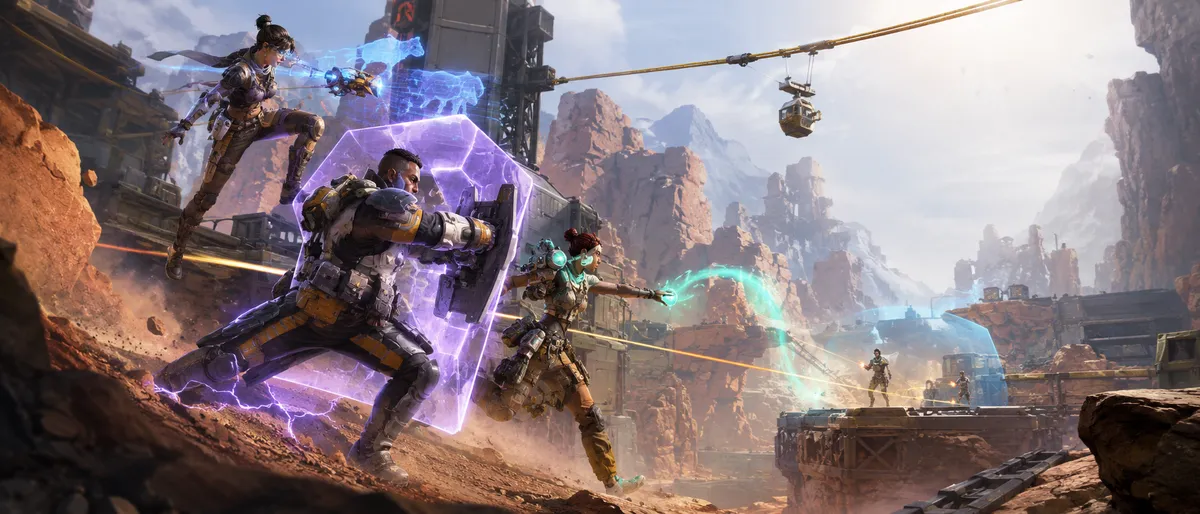

Apex Legends legends guide, Apex legends abilities, Apex legend roles, Apex team comps, best legend combos Apex, Apex legend classes, Assault legends Apex, Recon legends Apex


Legend Classes and Class Perks in Core Modes


In Apex Legends, Legends are grouped into five classes: Assault, Controller, Recon, Skirmisher, and Support. These class perks matter most in Core modes (Ranked and standard unranked matches). In more casual playlists, the system can work differently—so always build around what you’re actually playing.

Here’s what each class is designed to bring to a squad:

  • Assault: pressure and combat tempo. They’re built to convert openings into momentum.
  • Controller: space ownership. They make areas safer to play and harder to invade.
  • Recon: information control. They help your squad avoid bad fights and take good ones.
  • Skirmisher: fast repositioning and flexible engagement timing.
  • Support: squad recovery and survivability—especially after messy fights.

Apex also uses an in-match progression system in Core modes where you earn EVO and unlock Legend upgrades at specific armor tiers. These upgrades can add extra functionality to kits (like extra charges, extra utility, or enhanced passives). The most important idea is this: your team comp can get stronger as the match goes on, so it’s smart to pick Legends whose upgrades align with your plan (faster rotations, stronger holds, safer resets, better scouting).


Build a Balanced Team in 60 Seconds


If you want a “no drama” way to lock a good comp without overthinking:

  1. Pick one Legend that helps your squad move or re-position (rotation or flexible engage/disengage).
  2. Pick one Legend that helps your squad survive chaos (reset, revive, shields, or defensive space).
  3. Pick one Legend that reduces surprises (info, scouting, or consistent area awareness).

If you’re solo-queuing and teammates lock random picks, your job is simple: fill the missing job. Most games are lost because the squad has zero reset tools, zero info tools, or no way to safely take space.


Legends Guide by Class: Abilities, Roles, and Best Pairings


Below is a practical, squad-focused explanation for every Legend currently listed in the official roster guide (28 Legends). Each entry explains what the kit does, what role it naturally fits, and which teammates typically benefit most.


Assault Legends

Bangalore

Bangalore is one of the best “tempo” Legends in the game because she can create immediate pressure, block vision, and move her team through dangerous sightlines. Her kit is built around control-by-chaos: you don’t need to win a fair angle if you can force the fight to happen on your terms.

  • Tactical: Smoke Launcher (creates a smoke wall on impact).
  • Passive: Double Time (speed boost when taking fire while sprinting).
  • Ultimate: Rolling Thunder (artillery strike that creeps across an area).
  • Role: Entry + rotation support. Great for crossing open space, breaking holds, and creating a safe reset window.
  • Best with: Recon for reliable info through blocked angles, plus a reset Legend who can stabilize after the push.

Fuse

Fuse is a pressure specialist. He excels at forcing movement—making it uncomfortable for enemies to stay behind one piece of cover for too long. If your squad likes to control space with constant threat, Fuse turns “waiting” into “losing.”

  • Tactical: Knuckle Cluster (repeated airburst explosives on impact).
  • Passive: Grenadier (carries more throwables and launches them farther/faster/more accurately).
  • Ultimate: The Motherlode (a projectile that lands and spreads explosives around the landing point).
  • Role: Space denial + entry support. Strong when enemies are stuck in tight areas or holding doors/angles.
  • Best with: Controllers who keep enemies in a zone longer, and Recon to ensure you’re pressuring the right side.

Ash

Ash is built for clean engagements: identify where fights happened, catch a target, and take a decisive reposition. She’s also a strong “bridge” between aggressive squads and disciplined squads because she provides both chase tools and controlled exits.

  • Tactical: Arc Snare (damages and tethers the first enemy who gets close).
  • Passive: Predator’s Pursuit (map shows recent death box locations).
  • Second Passive (upgrade-related): Dash (double dash when upgraded; less boost if changing direction mid-dash).
  • Ultimate: Phase Breach (one-way portal to a targeted location).
  • Role: Entry + follow-up reposition. Great for starting fights and quickly changing angles after a knock or opening.
  • Best with: A consistent info Legend and a reset Legend—Ash makes fights start fast, so you need stability behind her.

Mad Maggie

Maggie is a direct counter to teams that hide behind cover. Her kit is a “no comfort” kit: if someone thinks they’re safe, she makes them move—or makes the position too expensive to hold.

  • Tactical: Riot Drill (burns enemies through obstacles).
  • Passive: Warlord’s Ire (temporarily highlights enemies you’ve damaged; moves faster with a shotgun).
  • Ultimate: Wrecking Ball (throws a ball that drops speed-boost pads and detonates near enemies).
  • Role: Entry disruptor + close-range tempo. Strong when your squad wants to break tight holds and force fast trades.
  • Best with: Teammates who can capitalize quickly on forced movement—especially kits that lock down exits or confirm where the enemy is retreating.

Ballistic

Ballistic is a tempo amplifier. He turns a normal squad into a “go now” squad by improving team combat pacing and giving the team a window where it’s easier to overwhelm opponents quickly.

  • Tactical: Whistler (a projectile that punishes an enemy’s firing behavior by overheating their held equipment as they keep firing).
  • Passive: Sling (stores a third loadout slot that upgrades through Legend upgrades).
  • Ultimate: Tempest (boosts nearby teammates with faster reloads, movement benefits, and “infinite ammo” style sustain for a short window; also powers up Ballistic’s Sling slot).
  • Role: Team tempo + push window creator. Best when your squad knows how to commit together instead of hesitating.
  • Best with: A strong info Legend (to pick the right moment) and a reset Legend (to recover if the push gets messy).


Controller Legends

Caustic

Caustic is built to own buildings and tight zones. When he’s set up, he forces enemies to make slow, expensive choices: wait, go around, or push through denial. His kit rewards planning and punishes careless rushes.

  • Tactical: Nox Gas Trap (canisters that release gas when triggered).
  • Passive: Nox Vision (see enemies through your gas).
  • Second Passive: Field Research (gain research points from poisoning enemies and opening death boxes; upgrades can stack up to four).
  • Ultimate: Nox Gas Grenade (blankets a large area; can be disrupted by other effects).
  • Role: Anchor + building control. Excellent for endgame holds and defending revives/resets.
  • Best with: Supports for recovery and Recon for early warning—Caustic is strongest when your squad arrives early and sets up.

Wattson

Wattson excels at stabilizing a position. Her fences discourage pushes, and her ultimate helps the team survive repeated pressure by neutralizing incoming projectiles and restoring shields. She’s a “make the game calmer” Legend.

  • Tactical: Perimeter Security (electrified fences that damage/slow; can electrify doors).
  • Passive: Spark of Genius (ultimate accelerants fully charge her ultimate).
  • Ultimate: Interception Pylon (destroys incoming projectiles and repairs shields; also rebuilds/fortifies nearby broken Hardlight glass).
  • Role: Zone hold + anti-pressure support. Great for squads that prefer smart positioning over constant chasing.
  • Best with: Any rotation tool (to arrive early) and a support kit that helps you reset when enemies keep testing your hold.

Rampart

Rampart is a specialist who turns a “normal angle” into a winning angle when your squad is willing to play around her cover. She’s strongest when your team commits to a position and uses her setup intelligently instead of running in three different directions.

  • Tactical: Amped Cover (deployable cover that blocks incoming shots and boosts outgoing damage; jumping over converts stored charge into a speed boost).
  • Passive: Battle Modder (bigger magazine capacity and faster reloads for LMGs/minigun; walls gain health with EVO levels).
  • Ultimate: Emplaced Minigun “Sheila” (mounted high-capacity weapon anyone can use).
  • Role: Hold + pressure from safety. Strong for protecting revives, controlling lanes, and forcing enemies to respect your angle.
  • Best with: Recon (to choose the right lane) and Support (to keep the setup alive when fights get long).

Catalyst

Catalyst is one of the best “modern” Controllers because she doesn’t just defend—she reshapes space. Her door reinforcement changes building fights, and her ultimate can cut sightlines and slow pushes without requiring perfect timing.

  • Tactical: Piercing Spikes (ferrofluid spikes that trigger when enemies are near; Catalyst is immune to enemy spikes).
  • Passive: Barricade (reinforce up to four doors; can reinforce destroyed door spaces).
  • Ultimate: Dark Veil (a permeable ferrofluid wall; can deploy horizontally; enemies passing through are slowed and blinded; bullets deal reduced damage through it).
  • Role: Building control + fight separation. Great for creating “two smaller fights” instead of one chaotic fight.
  • Best with: A team that likes structured pushes and resets—Catalyst makes it easier to isolate threats and disengage cleanly.


Recon Legends

Bloodhound

Bloodhound is a classic, reliable Recon pick. Their kit gives straightforward information and a strong “go time” ultimate that helps your squad take a fight with confidence.

  • Tactical: Eye of the Allfather (briefly reveals enemies, traps, and clues in front of you).
  • Passive: Tracker (see enemy tracks).
  • Ultimate: Beast of the Hunt (move faster; highlight enemies).
  • Role: Info + fight starter. Bloodhound reduces uncertainty, which makes every teammate play better.
  • Best with: Aggressive kits that want a clear green light, and defensive kits that want early warning before committing to a hold.

Crypto

Crypto is the high-skill Recon that rewards calm decision-making. He can gather intel safely, mark threats, and disable enemy setups. He’s strongest when the player communicates clearly and doesn’t “disappear” from the squad for too long.

  • Tactical: Surveillance Drone (remote view; if destroyed you wait before redeploying).
  • Passive: Neurolink (enemies detected by drone within range are marked for teammates).
  • Ultimate: Drone EMP (damages shields, slows enemies, disables traps).
  • Role: Intel + disruption. Crypto is a “make their setup worse” Legend.
  • Best with: Controllers (to win space wars), and entry Legends who can capitalize on the chaos after an EMP hits.

Seer

Seer is a micro-info Legend. He’s designed to reveal threats even when they’re trying to hide behind walls and slow down your decision-making. He’s best used to confirm “Is it safe?” before your team commits.

  • Tactical: Focus of Attention (micro-drones reveal enemies through walls after a delayed blast; using it with a weapon drawn can reduce holster time; scanning grants a speed boost).
  • Passive: Heart Seeker (visualize heartbeats of nearby enemies while aiming).
  • Ultimate: Exhibit (sphere that reveals fast-moving or firing enemies inside; inside the sphere your jumping and ADS skills are enhanced).
  • Role: Close-quarters intel + anti-ambush.
  • Best with: A disciplined team that plays around his information—if teammates ignore the info, Seer loses value fast.

Vantage

Vantage is a hybrid Recon: she scouts and repositions while also applying pressure from safer angles. Her kit rewards taking good sightlines early and using Echo to shift position without overcommitting.

  • Tactical: Echo Relocation (place Echo then launch toward him; must keep Echo in sight).
  • Passive: Spotter’s Lens (scout through her eyepiece; bullet drop indicator; tracking a team generates ultimate charge).
  • Ultimate: Sniper’s Mark (custom sniper that marks enemies and applies a damage bonus for the team).
  • Role: Scout + pick pressure. She makes it easier to start fights on your terms because you’re more likely to land early damage or force movement.
  • Best with: A solid reset kit (because she often plays angles) and a team that can coordinate around marked targets.

Sparrow

Sparrow is Recon with mobility baked in. He can reach routes others can’t and use darts to watch lines of sight, which helps your team move through areas with less risk.

  • Passive: Double Jump (second jump in the air; can also launch up a wall by pressing jump).
  • Tactical: Tracker Dart (trap that reveals enemies who enter its line of sight).
  • Ultimate: Stinger Bolt (a large arrow that charges then releases multiple damaging pulses; pulses slow players, including Sparrow).
  • Role: Mobile scouting + area checking. Great for “Are they here?” and “Can we rotate safely?”
  • Best with: Teammates who like structured rotations—Sparrow can scout routes and provide early warning while the team stays together.


Skirmisher Legends

Octane

Octane is the classic speed skirmisher: he creates quick reposition options and keeps fight tempo high. He’s strongest when the Octane player uses speed to create better positioning, not just chaos.

  • Tactical: Stim (speed boost that costs health).
  • Bonus interaction: Stim Surge (triggered when using tactical while already boosted; provides damage reduction, immunity to bullet slow, starts passive healing, and allows healing to continue through damage).
  • Passive: Swift Mend (health regen over time; faster depending on current health).
  • Ultimate: Launch Pad (jump pad for the squad; base kit includes double pads).
  • Role: Rotation + entry timing. Octane helps the team choose when and where a fight happens.
  • Best with: Support (to stabilize after risky plays) and info (so your speed creates smart fights, not random ones).

Pathfinder

Pathfinder is one of the most flexible Legends in the game. He can quickly reach unexpected angles and create team rotation tools that aren’t dependent on the map.

  • Tactical: Grappling Hook (variable cooldown based on distance; can opt into double charge at the cost of variable cooldown).
  • Passive: Insider Knowledge (scan survey beacon for next ring).
  • Ultimate: Zipline Gun (team zipline anyone can use).
  • Role: Rotation + angle creation. A strong Pathfinder makes the whole squad’s pathing cleaner.
  • Best with: Controllers for strong endgame setups and Supports for safer recoveries after aggressive rotations.

Wraith

Wraith is still the queen of “I need a reset now.” Her tactical creates safety during repositioning, and her ultimate is one of the best team tools for moving through danger without losing the squad.

  • Tactical: Into the Void (temporary invulnerability while repositioning).
  • Passive: Voices from the Void (warns when danger is approaching).
  • Ultimate: Dimensional Rift (team portal linking two locations for 60 seconds).
  • Role: Reset + rotation + safe reposition.
  • Best with: Any team that wants consistent survivability—Wraith turns panic moments into planned moments.

Revenant

Revenant is a skirmisher built around aggressive repositioning and finishing fights. He’s strongest when your squad commits to follow up—because his kit is designed to create a sudden advantage window.

  • Tactical: Shadow Pounce (pounce forward; hold to charge for longer distance).
  • Passive: Assassin’s Instinct (highlight nearby visible low-health enemies; faster crouch-walk; improved wall climbing).
  • Ultimate: Forged Shadows (temporary shadow armor that regenerates; tactical and shadows refresh on knockdowns).
  • Role: Entry + cleanup.
  • Best with: Info Legends (to pick the right target) and Support/Controller tools that prevent your push from turning into a full collapse.

Horizon

Horizon is a positioning controller disguised as a mobility Legend. She creates vertical options that change how fights are taken and helps squads escape bad ground angles.

  • Tactical: Gravity Lift (lift upward; boosts outward on exit).
  • Passive: Spacewalk (better air control; reduced fall impact).
  • Ultimate: Black Hole (deploy N.E.W.T to pull players toward a micro black hole; ends with a blast).
  • Role: Reposition + fight shaping.
  • Best with: Any kit that benefits from clustering enemies or forcing them off angles, plus a reset tool for long fights.

Valkyrie

Valkyrie is the “macro skirmisher.” She doesn’t just move herself—she moves the whole squad. She’s most valuable when you rotate early and use her ultimate to avoid getting trapped.

  • Tactical: Missile Swarm (mini-rockets that damage and distract; Valkyrie doesn’t take damage from her own blast radius).
  • Passive: VTOL Jets (jetpack flight with limited fuel).
  • Ultimate: Skyward Dive (launch and skydive with allies attached).
  • Role: Rotation + escape planning.
  • Best with: Controllers and Supports—Valk gets your team to strong spots; Controllers hold them; Supports keep the squad alive through the chaos.

Alter

Alter is a reposition specialist who creates “impossible angles” through surfaces and gives the squad a return point. She’s especially strong for squads that take quick fights then want to reset instantly.

  • Tactical: Void Passage (portal on either side of a surface under a thickness limit).
  • Passive: Gift from the Rift (see death boxes through walls and take an item from them).
  • Ultimate: Void Nexus (spawn a device your squad can return to through a portal).
  • Role: Rotation + reset anchor.
  • Best with: Teams that play fast and structured—Alter shines when your squad commits to a location, fights, then returns to safety as a unit.

Axle

Axle is a high-tempo skirmisher built around sliding mobility and rapid re-engage windows. Her kit encourages constant motion and quick “in, out, back in” pacing.

  • Tactical: Nitro Gates (throw a gate that launches users into a high-speed slide; allies and enemies can use it).
  • Passive: Drift (increased control while sliding).
  • Ultimate: Kickstart (deploy an enemy-seeking drone).
  • Role: Tempo + reposition. Axle is strongest when your squad plays fast but coordinated.
  • Best with: Info Legends (so speed is smart) and a reliable reset kit (so you don’t lose the match to one messy overcommit).


Support Legends

Gibraltar

Gibraltar is classic team safety. His kit creates some of the strongest “we survive this moment” tools in the game, especially when your squad gets pressured hard.

  • Tactical: Dome of Protection (dome shield that blocks attacks).
  • Passive: Gun Shield (a protective shield while aiming).
  • Second Passive: Momentum Boost (speed boost after sustained sprint; can break a door in one hit).
  • Ultimate: Defensive Bombardment (concentrated mortar strike on a marked position).
  • Role: Reset + protective anchor.
  • Best with: Controllers (to lock down space around the dome) and Recon (so your team chooses the right time to hold or rotate).

Lifeline

Lifeline is the most straightforward “keep the squad alive” Legend. She reduces the cost of mistakes by making revives safer and healing more reliable in messy fights.

  • Tactical: D.O.C Heal Drone (heals allies nearby; can follow you or an ally).
  • Passive: Combat Medic (D.O.C revives teammates while you can still move and defend).
  • Second Passive: Combat Glide (grab D.O.C and glide briefly).
  • Ultimate: D.O.C Halo (throws D.O.C to activate a halo shield that blocks bullets and boosts healing speed for players inside—including enemies).
  • Role: Reset engine + sustain.
  • Best with: Any squad that wants consistent recovery—Lifeline makes long games smoother and reduces the “one down ends the fight” problem.

Mirage

Mirage wins by confusion and time. His kit is strongest when the Mirage player understands how opponents react under pressure and uses decoys to create the half-second windows that decide fights.

  • Tactical: Psyche Out (send a holographic decoy).
  • Passive: Now You See Me (cloak when reviving and using respawn beacons).
  • Ultimate: Life of the Party (deploy a team of decoys).
  • Role: Distraction + revive safety.
  • Best with: Reset-focused squads—Mirage makes recovery moments safer and can turn pressure into misreads.

Loba

Loba is an economy and consistency Legend. She reduces bad luck by improving access to needed items and enables smoother rotations by keeping the squad supplied.

  • Tactical: Burglar’s Best Friend (teleport by throwing her bracelet).
  • Passive: Eye for Quality (see epic/legendary loot through walls).
  • Ultimate: Black Market Boutique (teleport nearby loot into inventory; each Legend can take up to two items).
  • Role: Sustain + resource control + safe repositioning.
  • Best with: Teams that play longer games and want to avoid “we can’t continue because we’re out of resources.”

Newcastle

Newcastle is a rescue specialist. He doesn’t just revive—he turns revives into a reposition tool and creates mobile protection that allows the squad to cross dangerous gaps.

  • Tactical: Mobile Shield (controllable moving energy shield).
  • Passive: Retrieve the Wounded (drag downed allies while reviving behind a revive shield).
  • Ultimate: Castle Wall (leap and slam to create a fortified stronghold).
  • Role: Hard reset + reposition protection.
  • Best with: Aggressive teammates who need a safety net and Controllers who can convert his wall into a long-term hold.

Conduit

Conduit is a modern support focused on temporary shields and tempo resets. She’s excellent when your squad wants to keep moving after a fight instead of spending forever recovering.

  • Tactical: Radiant Transfer (temporary shields for a teammate and Conduit; two charges).
  • Passive: Savior’s Speed (speed burst when running to a teammate outside tactical range; faster when sprinting toward a Skirmisher).
  • Ultimate: Energy Barricade (shield-jamming devices that damage and slow enemies).
  • Role: Tempo reset + anti-push utility.
  • Best with: Skirmishers and fast-entry squads—Conduit turns “we’re weak” into “we can keep pressure” more often.


Best Team Combos: Roles-First Comps You Can Run Immediately


These combos aren’t “the only best comps.” They’re reliable plans that work across different skill levels because each trio covers core jobs: info, space, reset, and rotation.

1) Safe Ranked Core (easy, consistent): Wraith + Bloodhound + Lifeline

  • Wraith provides safe reposition and emergency resets.
  • Bloodhound reduces surprises and gives clean fight starts.
  • Lifeline stabilizes messy moments and keeps the squad in the game.


2) Zone Hold and Endgame Stability: Catalyst + Wattson + Gibraltar

  • Catalyst shapes sightlines and isolates pushes.
  • Wattson makes sustained pressure less scary.
  • Gibraltar turns “we’re getting pushed” into “we can survive and reset.”


3) Fast Rotate Into Strong Positions: Valkyrie + Caustic + Conduit

  • Valkyrie moves the squad early and safely.
  • Caustic owns the building once you arrive.
  • Conduit keeps shields stable so your team doesn’t get chipped out.


4) Info + Disruption Playstyle: Crypto + Catalyst + Newcastle

  • Crypto scouts and disrupts enemy setups with EMP.
  • Catalyst makes the area messy for enemies to enter.
  • Newcastle turns downs into recoveries and keeps the team alive under pressure.


5) Tempo Push Squad (aggressive but structured): Ash + Bloodhound + Conduit

  • Bloodhound confirms where to go and when.
  • Ash creates decisive reposition moments with portal and snare.
  • Conduit provides fast shield recovery to keep momentum.


6) “Make Them Move” Pressure Comp: Fuse + Seer + Gibraltar

  • Seer confirms who is where in tight areas.
  • Fuse denies comfort positions and punishes stacking.
  • Gibraltar provides a safe recovery window when fights get chaotic.


7) Macro Control With Flexible Angles: Pathfinder + Wattson + Bloodhound

  • Pathfinder gives rotation options that aren’t dependent on map tools.
  • Wattson stabilizes the position once you arrive.
  • Bloodhound prevents you from getting surprised during setup.


8) Mobile Scout and Clean Resets: Sparrow + Wraith + Newcastle

  • Sparrow scouts routes and checks areas with dart coverage.
  • Wraith provides emergency exits and safe repositions.
  • Newcastle makes recoveries safer and enables crossing dangerous gaps.


9) High-Tempo Movement Squad: Axle + Conduit + Bloodhound

  • Axle enables fast repositioning and pressure timing.
  • Conduit keeps the team’s shields stable during constant movement.
  • Bloodhound reduces “speed mistakes” by confirming fights and tracking.


10) Angle Pressure With Long Sightlines: Vantage + Catalyst + Lifeline

  • Vantage creates early pressure and marks priority targets.
  • Catalyst cuts sightlines to control how enemies respond.
  • Lifeline keeps the squad stable while you play angles.


11) Resource and Consistency Squad: Loba + Gibraltar + Bloodhound

  • Loba reduces resource stress and keeps rotations smoother.
  • Gibraltar provides emergency safety in bad moments.
  • Bloodhound keeps the team from walking into traps.


12) Fast Fight, Fast Reset: Alter + Conduit + Seer

  • Alter provides a squad return point and creative reposition paths.
  • Conduit stabilizes shield tempo so the squad can keep moving.
  • Seer provides close-range intel so you don’t overcommit blindly.


Ability Synergy Cheat Sheet: Combos That Feel “Unfair” to Fight


Use these as patterns, not scripts. The point is to create advantages that stack.

  • Info → Space → Reset: scout first, take space second, stabilize third. (Example: Recon confirms threat, Controller blocks push lanes, Support keeps squad alive.)
  • Divide and isolate: use walls/portals/cover tools to turn one big fight into two smaller, manageable fights.
  • Punish pushes, don’t chase: many squads lose because they chase movement instead of holding the advantage. Use denial tools to make enemies pay for entering.
  • Reset windows matter: dome shields, revive tools, temporary shields, and “return point” ultimates are strongest when the whole squad understands: “This is our reset moment.”

Also remember a simple truth from class design: some recon vision advantages can be blocked by things like smoke, walls, and range. That means your comp should not rely on a single trick. Mix info sources (tracking, drones, darts, scans) and keep your plan flexible.


How to Choose Your Main Legend (and a Backup)


A smart way to pick a main is to choose based on what you can provide even on a bad aim day:

  • If you like being the “plan” player: Valkyrie, Pathfinder, Wraith, Alter (rotation and resets).
  • If you like making areas safe: Catalyst, Wattson, Caustic, Rampart (space control).
  • If you like scouting and calling: Bloodhound, Crypto, Seer, Vantage, Sparrow (info).
  • If you like keeping the squad alive: Lifeline, Newcastle, Conduit, Gibraltar, Loba (recovery).
  • If you like forcing action: Bangalore, Fuse, Ash, Mad Maggie, Ballistic, Octane, Revenant, Axle (tempo).

Your backup should fill the same job in a different way. That way, even if your main is taken, you still contribute the same role to the team.


BoostRoom: Turn Random Teammates Into a Real Plan


Most squads don’t fail because they “picked bad Legends.” They fail because nobody agrees on the plan: one person wants to push everything, one person wants to hold, and one person is looting while a fight starts.

BoostRoom helps you turn Legend picks into a repeatable system:

  • Build a main + backup that fits your real playstyle.
  • Learn which team jobs your Legend should cover each match (info, space, reset, rotation).
  • Get a simple callout structure so your team knows when to commit, when to hold, and when to reset.
  • Stop guessing team comps and start running trios that actually make sense together.

If you want to climb faster and feel more in control, the biggest upgrade isn’t mechanical—it’s having a team plan that your Legends support.


FAQ


What is the best Legend class for beginners?

Support is usually easiest for beginners because you can add value through revives, healing, shields, and recovery even if your fighting skills are still improving.


Do Legend classes matter in every mode?

Classes and their perks matter most in Core modes like Ranked and standard unranked matches. Some Freestyle modes have different rules and simplified systems.


How do I build a good team comp for ranked?

Cover the basics: one Legend that helps with rotation or repositioning, one that helps with resets, and one that provides information or safe space control.


Is it okay to run three aggressive Legends?

It can work, but it’s higher risk. If your trio has no reset tools and no information tools, you’ll win fast or lose fast. Most ranked consistency comes from balanced comps.


Which Legends are best for holding buildings?

Controllers and some Supports are strongest for building holds because they can reinforce doors, deny pushes, and stabilize under pressure.


What’s the biggest mistake teams make with abilities?

Using abilities separately instead of stacking them. The strongest teams create sequences: info first, space control second, reset tools ready third.


Do I need to follow the “meta” to win?

Not necessarily. A coordinated plan with comfort picks beats a “meta” comp that nobody knows how to use together.

More Reads

Related Articles

Apex Legends Loot Guide: What to Pick Up and What to Skip
Apex LegendsGuides

Apex Legends Loot Guide: What to Pick Up and What to Skip

Looting in Apex Legends isn’t about grabbing everything that glows—it’s about leaving your landing area with a clean, fight-ready inventory that supports your next 2–3 minutes of gameplay. Most players lose games because they loot too long, carry the wrong mix of healing, or waste backpack space on “maybe later” items they never actually use. The squads that feel unstoppable aren’t lucky—they have a repeatable loot plan: minimum kit → upgrade loop → rotate decision. This guide is a practical loot blueprint for any mode and any skill level. You’ll learn what to prioritize at each phase of the match, how to build a balanced inventory that survives third parties, how to use the Survival Slot like a pro, and what to skip so you stop turning your backpack into a junk drawer. You’ll also get ready-to-copy inventory templates (for small, medium, and large backpacks) and a simple looting routine that keeps you fast, calm, and consistent—especially in Ranked.

Read more
Apex Legends Drop Guide: Where to Land for Loot, KP, and Safety
Apex LegendsGuides

Apex Legends Drop Guide: Where to Land for Loot, KP, and Safety

Apex Legends fights often feel like they’re decided in the first 30 seconds—because they usually are. If you land late, split too far, or rotate out of your POI with weak supplies, you’re forced into “coin-flip” fights where skill matters less than who found the better setup first. A smart drop fixes that. The right landing spot gives you fast resources, a clear next move, and the option to choose whether you want early KP or a safe path to endgame. This drop guide is built around one goal: help you win more games by landing with purpose. You’ll learn how to pick a landing spot based on what you want (loot, KP, or safety), how to read the dropship so you don’t accidentally land into a 4-squad pileup, how to split a POI without losing your team, and the best kinds of POIs to target on the maps currently in rotation. By the end, you’ll have a repeatable “drop plan” you can run every match—solo queue, duo, or full stack.

Read more
How to Win More Fights in Apex Legends: Positioning and Peeking Guide
Apex LegendsGuides

How to Win More Fights in Apex Legends: Positioning and Peeking Guide

If you keep losing fights that feel “close,” it’s usually not because your aim is terrible—it’s because you’re taking the duel from a losing spot. Apex Legends rewards players who can take damage safely, return damage efficiently, and reset before the third party arrives. The easiest way to do that is mastering two fundamentals that decide most fights: positioning (where you stand) and peeking (how you show yourself). This guide is a practical blueprint for winning more fights without relying on “hero aim.” You’ll learn how to choose cover that actually protects you, how to peek in ways that reduce incoming damage, how to use doors and headglitches properly, and how to set up team spacing so your squad creates free damage angles. If you apply what’s here, you’ll notice a huge change: fights stop feeling like chaotic coin flips—and start feeling like you’re controlling the pace.

Read more
Apex Legends Map Guide: Best POIs, Rotations, and Safe Paths
Apex LegendsGuides

Apex Legends Map Guide: Best POIs, Rotations, and Safe Paths

If you feel like you’re always late to fights, always getting pinched, or always crossing open ground with no cover, you don’t have an aim problem—you have a map plan problem. Apex Legends is a positioning game first. The best squads don’t win because they land at the “most popular” POI; they win because they land where they can loot fast, read the first ring, rotate on time, and take fights only when the map makes it easy. This guide is your complete Apex Legends map playbook: the best POIs, the smartest rotations, and the safest paths that reduce third parties and keep you alive long enough to win endgames. It works whether you’re solo queue, duo, or full stack—because it focuses on repeatable habits: how to choose a drop, how to rotate without gambling, and how to move through each map using cover, terrain, and predictable “safe lanes.”

Read more