Path of Exile 2 Warrior Guide: Best Melee Skills, Defense, and Leveling Tips
Warrior is a heavy melee class
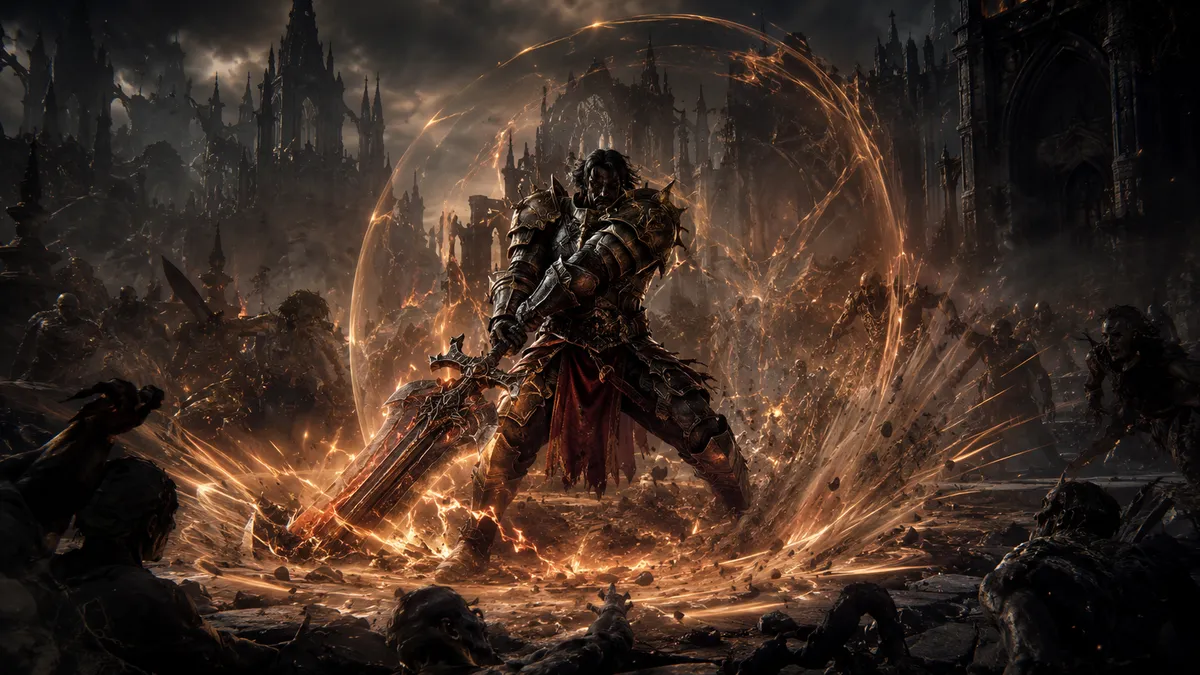
Warrior is built around slow but powerful in-game melee attacks, heavy slams, stun buildup, armour, shields, warcries, totems, fire effects, and big damage windows. It is not usually the fastest class in Path of Exile 2, but it can be one of the most satisfying when built correctly.
Warrior rewards timing
A good Warrior player does not attack blindly. You need to know when to slam, when to move, when to use a warcry, when to trigger Boneshatter, when to break armour, when to block, and when to use a major payoff skill.
Warrior is not only about raw damage
Damage matters, but Warrior also depends on control. Stun, knockback, armour break, shields, totems, warcries, aftershocks, and defensive layers all help turn slow attacks into safe progress.
Mace skills are the core identity
Warrior’s early and main skill set is built around in-game mace skills. These skills include Rolling Slam, Boneshatter, Earthquake, Shield Charge, Armour Breaker, Infernal Cry, Perfect Strike, Shield Wall, Earthshatter, Sunder, Supercharged Slam, Stampede, Ancestral Cry, Hammer of the Gods, and Ancestral Warrior Totem.
The best Warrior build has a clear plan
Do not scale stun, bleed, fire, armour break, totems, thorns, warcries, shields, slams, and critical hits all at once without focus. Pick one main damage plan, then support it with the right gear, passive tree, support gems, and Ascendancy.
Why Warrior Is Popular
Warrior hits hard
The class is built around impact. Many Warrior skills have slower animations but stronger hits. This makes the class feel powerful when enemies are stunned, grouped, or caught in a good damage window.
Warrior has strong stun identity
Stun is one of the most important Warrior mechanics. Heavy Stunning enemies creates safe damage windows, enables payoff skills, and supports Glory-based skills like Hammer of the Gods.
Warrior has strong defensive identity
The class naturally fits armour, shields, block, life, recovery, and defensive Spirit gems. A good Warrior can feel much sturdier than fragile ranged builds.
Warrior has multiple Ascendancy styles
Titan supports heavy slams, aftershocks, armour, life, and stun. Warbringer supports armour break, warcries, totems, block, and ancestral tools. Smith of Kitava supports fire, body armour transformation, resistance scaling, Manifest Weapon, Temper Weapon, and unique defensive armour options.
Warrior can scale into endgame
A well-built Warrior can clear maps, defeat bosses, farm Atlas objectives, use league mechanics, and progress through higher content. The class just needs proper setup because weak melee builds are punished quickly.
Why Warrior Feels Hard for Beginners
Warrior skills can feel slow
Many Warrior skills have long attack times or delayed damage. If you attack during the wrong boss animation, you can be punished before the hit lands.
Melee positioning is risky
Warrior fights close to enemies. This means bad resistances, low life, poor movement speed, or weak flasks can cause problems faster than on ranged builds.
Weapon upgrades matter heavily
Most Warrior damage comes from attack skills. If your in-game mace damage falls behind, every skill feels weak, even if your passive tree looks good.
Defense is required, not optional
A Warrior with only damage may clear early packs but struggle against bosses, rare monsters, Trials, and maps. Armour, block, life, resistances, recovery, and flasks are part of the build.
Bosses punish greedy slams
Warrior players often lose because they try to finish a slow slam while the boss is preparing a major attack. Strong Warrior gameplay means stopping early, moving safely, then attacking during the next opening.
Best Warrior Skills for Beginners
Rolling Slam is a strong early starter
Rolling Slam is available early and teaches the basic Warrior rhythm. It slams the ground, stuns and knocks enemies away, then continues forward into a second stronger slam. It is useful for learning spacing and impact timing.
Boneshatter is an early payoff skill
Boneshatter becomes strong when enemies are Primed for Stun. It causes a Heavy Stun on those enemies and creates a damaging shockwave. This teaches one of Warrior’s most important ideas: prepare enemies first, then use a payoff skill.
Earthquake gives delayed area damage
Earthquake places Jagged Ground that slows enemies and later erupts with an aftershock. It is useful for players who want area damage and can plan enemy movement.
Shield Charge helps movement and engagement
Shield Charge gives Warrior a more mobile tool. It helps close distance, reposition, and enter packs instead of slowly walking into every fight.
Armour Breaker helps against tough enemies
Armour Breaker supports physical hit builds and helps prepare durable enemies for stronger follow-up damage.
Infernal Cry adds fire burst planning
Infernal Cry can support fire and melee burst setups. It is useful when you want warcry support and extra explosive damage moments.
Perfect Strike supports fire melee timing
Perfect Strike rewards timing and can fit fire-oriented Warrior builds, especially Smith of Kitava-style setups.
Sunder is a strong armour break payoff
Sunder becomes much more attractive when enemies have broken armour. It can help Warrior builds that focus on armour break and big follow-up hits.
Hammer of the Gods is a major later payoff
Hammer of the Gods is a high-tier Warrior skill that uses Glory gained from Heavy Stunning enemies. It is not a basic spam skill. It is a big payoff for builds that understand stun windows.
Rolling Slam Warrior
Rolling Slam teaches melee timing
Rolling Slam is one of the first Warrior skills because it shows what the class is about: heavy movement, impact, stun, knockback, and committed attacks.
The second slam is important
The skill does not only hit once. The follow-up slam is a major part of the value. If you cancel, miss, or aim poorly, the skill feels weaker.
Use it to start pressure
Rolling Slam can open fights, build stun pressure, and create space by knocking enemies away. This is helpful during early campaign zones.
Do not roll into danger
Because the skill moves you forward, bad positioning can put you inside a boss attack or dangerous pack. Aim carefully and avoid charging into corners.
Upgrade your mace often
Rolling Slam depends on attack damage. If it starts feeling weak, check the in-game mace first.
Boneshatter Warrior
Boneshatter is a stun payoff
Boneshatter is strongest when enemies are Primed for Stun. The skill causes Heavy Stun on those enemies and creates an area shockwave, making it one of Warrior’s best early combo tools.
Do not use it randomly
Boneshatter cannot build stun itself. It is not meant to be used as the first attack in every fight. Use other skills to prepare enemies, then trigger Boneshatter when the stun condition is ready.
It helps clear packs after setup
When Boneshatter triggers a shockwave, it can damage nearby enemies and turn one prepared target into area damage.
Bosses require patience
Against bosses, wait for the Primed for Stun moment. Pressing Boneshatter too early can waste the skill and reduce your damage window.
Support it for the correct role
Boneshatter can be supported for attack damage, stun payoff, area damage, or attack speed depending on your setup. Do not support it like a random clearing skill if your build uses it as a payoff.
Earthquake Warrior
Earthquake is delayed area damage
Earthquake smashes the ground, creates Jagged Ground, slows enemies, and later triggers an aftershock. This makes it different from simple instant hit skills.
It rewards planning
Place Earthquake where enemies will stand, not only where they stood a moment ago. The aftershock is the important damage moment.
It can be good for packs
When enemies walk through the area or stay near the Jagged Ground, Earthquake becomes useful for clearing groups.
It can support boss damage
Bosses that stand still, attack slowly, or stay in one area can be punished by Earthquake aftershocks.
It needs movement discipline
Earthquake allows you to place damage, move, and let the aftershock work. Do not stand still waiting if the boss is attacking.
Armour Breaker Warrior
Armour Breaker prepares enemies
Armour Breaker is useful because it helps reduce enemy armour and make follow-up hits stronger. It is especially important for physical damage builds.
It helps against rare monsters
Rare monsters and bosses can feel slow if you only use basic damage. Armour break gives your bigger skills a better target.
It pairs with Sunder
Sunder and other physical hit skills can benefit from enemies having broken armour. A setup skill plus payoff skill is a strong Warrior pattern.
It should not be your whole build alone
Armour Breaker is a tool. You still need a main damage skill, boss skill, movement, and defense.
Warbringer can support this style
Warbringer has strong armour break identity, making it a natural Ascendancy for players who enjoy this mechanic.
Infernal Cry Warrior
Infernal Cry adds warcry burst
Infernal Cry fits Warrior players who want warcry support and fire damage moments. It can help make melee attacks feel more explosive and rewarding.
Warcries need timing
Do not press warcries randomly. Use them before damage windows, before a pack engagement, or before a planned burst.
It can support Smith of Kitava ideas
Smith of Kitava has fire and forge-style mechanics, so fire-oriented Warrior setups can naturally consider Infernal Cry.
It helps clear grouped enemies
Fire burst effects are strongest when enemies are grouped. Use positioning to bring enemies into the right area.
Do not ignore warcry speed and safety
Warcries can leave you exposed if used at the wrong time. Use them before danger reaches you.
Perfect Strike Warrior
Perfect Strike rewards timing
Perfect Strike is a fire melee skill that rewards the player for using it carefully instead of spamming without thought.
It fits fire melee builds
If your build scales fire damage, ignite, melee damage, or Smith of Kitava mechanics, Perfect Strike can fit naturally.
It needs a safe window
Because Warrior often fights close, using timed melee skills during a boss attack is dangerous. Wait for the boss to finish a major animation.
It can be used as a boss tool
Perfect Strike can help single-target damage when your setup supports fire and melee scaling.
Do not mix it into every build
A physical stun Titan or totem Warbringer may not need Perfect Strike. Use it when the build actually supports fire melee.
Shield Charge Warrior
Shield Charge adds movement
Warrior can feel slow without movement tools. Shield Charge helps you move, engage enemies, and reposition.
It helps start fights
Charging into weaker packs can save time during campaign and maps. It also helps close distance against ranged enemies.
It should be used carefully
Charging blindly into rare monsters, boss attacks, or dangerous map modifiers can get you punished. Movement skills still need judgment.
It fits shield builds naturally
If your build uses a shield, Shield Charge can support both mobility and defensive identity.
Movement is part of Warrior defense
A tanky Warrior still needs to move. Shield Charge helps keep gameplay from feeling too slow.
Shield Wall Warrior
Shield Wall creates defensive control
Shield Wall can create a protective structure that changes how enemies approach you. It can help with positioning, defense, and certain setup builds.
It helps slower Warriors manage space
If your build needs time for Earthquake, Sunder, Hammer of the Gods, or warcry setup, Shield Wall can create breathing room.
It can support boss and map play
Against dangerous enemies, controlling space can be more valuable than forcing damage immediately.
It needs correct placement
A bad Shield Wall does little. Place it to block enemy movement, protect your position, or support your planned damage zone.
It is strongest when part of a plan
Shield Wall is not just decoration. Use it to create safe openings or guide enemies into damage.
Earthshatter Warrior
Earthshatter supports slam setups
Earthshatter is useful for players who enjoy ground-based slam gameplay and want area pressure.
It fits Titan naturally
Titan supports slam area, aftershocks, Heavy Stun, armour, and life. Earthshatter can fit that identity well.
It needs setup awareness
Like many Warrior skills, Earthshatter is not only about pressing the button. Think about where enemies are moving and where your follow-up damage will happen.
Warcries can improve slam gameplay
Seismic Cry, Ancestral Cry, and other warcry tools can support slam-focused gameplay depending on your setup.
Do not stand still too long
Even slam builds must move. Use attacks during openings, then reposition.
Volcanic Fissure Warrior
Volcanic Fissure adds fire ground pressure
Volcanic Fissure supports fire and slam-style gameplay. It creates fissure-based pressure and can fit fire melee builds.
It can help clear lines of enemies
Fissure-style skills can be useful when enemies approach from one direction or stand along a path.
It fits Smith of Kitava themes
Fire, forge, body armour bonuses, and melee pressure all fit Smith of Kitava’s identity.
Recent systems limit fissure stacking
Current updates limit concurrent fissures and changed how aftershocks interact, so players should avoid relying on outdated versions of the skill.
Use it with fire scaling
Volcanic Fissure belongs in a build that supports fire, slam, melee, or fissure damage. Do not add it randomly to a pure physical stun build.
Sunder Warrior
Sunder is a big physical payoff
Sunder is one of the classic heavier Warrior skills. It rewards preparation, positioning, and strong hit scaling.
Broken armour matters
Sunder becomes more attractive when your build can break enemy armour. Armour Breaker, Warbringer tools, and physical support can all help.
It can help against bosses
If your boss damage feels low, a properly supported Sunder setup can help when used during safe windows.
It is not a panic button
Sunder has commitment. Do not cast it into a boss attack. Wait for the opening.
It was improved for feel
Earlier updates reduced Sunder’s added total attack time, which helps it feel less clunky than before.
Supercharged Slam Warrior
Supercharged Slam is a heavy commitment skill
Supercharged Slam is for players who want big impact. It rewards preparation and timing but can punish bad windows.
Use it during boss openings
Do not charge a heavy slam while the boss is about to move or attack. Wait for a predictable moment.
It fits Titan slam builds
Titan’s slam and aftershock identity can support heavy slam gameplay well.
It needs strong defenses
A build using slower skills should have armour, life, resistances, recovery, and movement because you are more exposed during skill use.
Do not rush it before the build is ready
Beginner Warriors should learn Rolling Slam, Boneshatter, Earthquake, and basic movement before relying heavily on slow high-commitment skills.
Hammer of the Gods Warrior
Hammer of the Gods is a major payoff skill
Hammer of the Gods is a later Warrior skill that uses Glory. Glory is built through Heavy Stunning enemies, and the skill requires 20 Glory to use.
It rewards stun builds
If your build does not Heavy Stun enemies reliably, Hammer of the Gods will feel inconsistent. Stun buildup, physical hit damage, Titan tools, and boss timing all matter.
It is excellent for boss windows
When the boss is vulnerable and you have Glory ready, Hammer of the Gods can create a huge damage moment.
It cannot be treated like a normal spam skill
This is a resource-based payoff, not a basic attack. Build Glory, choose the right moment, then use it.
Quality can improve value
Current quality effects can add impact radius and give a chance not to consume Glory, making the skill more rewarding in builds that invest into it.
Ancestral Warrior Totem
Ancestral Warrior Totem supports skill setups
Ancestral Warrior Totem can use socketed mace skills through summoned spirit warriors. It is a more advanced tool that rewards planning.
It needs Endurance Charge planning
The skill consumes Endurance Charges, so you need a way to generate and maintain them.
Warbringer supports totem identity
Warbringer has totem-related Ascendancy tools, including extra maximum totems, Ancestral Spirits, and damage redirection through nearby totems.
It can add pressure while you move
Totem-style tools are useful because they can keep doing work while the Warrior repositions or prepares the next hit.
Do not use it without support
If your passive tree, supports, charges, and Ascendancy do not support totems, the skill may feel awkward.
Best Warrior Build Ideas
Boneshatter leveling Warrior
This build uses Rolling Slam or Earthquake to build pressure, then Boneshatter to trigger Heavy Stun and shockwave damage. It is one of the easiest Warrior patterns to learn.
Earthquake Titan
This build focuses on Earthquake, Jagged Ground, aftershocks, slam scaling, armour, life, and later Hammer of the Gods. It is a strong choice for players who like delayed area damage.
Sunder armour break Warrior
This build uses Armour Breaker, Sunder, physical hit scaling, warcries, and strong boss windows. It fits players who enjoy setup and payoff.
Warbringer totem Warrior
This build focuses on totems, Ancestral Warrior Totem, Ancestral Spirits, warcries, block, armour break, and damage redirection through totems.
Smith of Kitava fire Warrior
This build focuses on fire melee, Temper Weapon, Manifest Weapon, body armour bonuses, fire resistance scaling, and strong defensive armour choices.
Thorns Warbringer
This build focuses on thorns damage, blocking, totems, shields, and enemy pressure against the Warrior’s defenses.
Hammer of the Gods boss Warrior
This build focuses on Heavy Stuns, Glory generation, big boss windows, and major slam payoff damage.
Best Beginner Warrior Build
Start with Rolling Slam and Boneshatter
Rolling Slam builds pressure and creates stun opportunities. Boneshatter punishes Primed for Stun enemies. This combination teaches core Warrior gameplay early.
Add Earthquake for area damage
Earthquake gives you damage that continues after placement. This helps with packs and lets you move while aftershock timing does work.
Add Shield Charge for movement
Warrior needs movement help. Shield Charge keeps the class from feeling too slow and helps close distance.
Add Armour Breaker for tough enemies
When rare monsters or bosses feel too durable, Armour Breaker helps prepare them for stronger hits.
Add a warcry later
Infernal Cry, Seismic Cry, Fortifying Cry, or Ancestral Cry can support different build directions. Use the one that fits your damage and defense plan.
Keep the setup simple
A beginner Warrior should use one main area skill, one stun payoff, one single-target or boss skill, one movement skill, one defensive tool, and one warcry or utility skill.
Warrior Ascendancy Choices
Titan is the heavy slam choice
Titan supports slam area, aftershocks, Heavy Stun payoff, armour, life, Strength, and large-impact melee gameplay. It is the most natural choice for players who want big slam damage.
Warbringer is the warcry and totem choice
Warbringer supports armour break, warcries, Ancestral Spirits, totems, block, and shield-based defense. It is strong for players who want tactical melee with support tools.
Smith of Kitava is the fire and armour-crafting choice
Smith of Kitava supports fire damage, Manifest Weapon, Temper Weapon, body armour bonuses, resistance scaling, Glory generation, thorns options, and unusual defensive planning.
Choose based on your skill plan
Earthquake, Earthshatter, Supercharged Slam, and Hammer of the Gods often fit Titan. Warcries, totems, armour break, and shield blocking often fit Warbringer. Fire melee, body armour bonuses, and forge-themed setups often fit Smith of Kitava.
Ascendancy does not fix bad basics
No Ascendancy can fully fix an outdated mace, bad flasks, low resistances, weak movement, or wrong support gems. Fix the foundation first.
Titan Warrior
Titan is built for heavy impact
Titan is the most direct heavy melee Ascendancy. It supports slams, aftershocks, Strength, armour, life, stun, and large hits.
Earthbreaker supports aftershocks
Titan can gain a chance for slam skills to cause an additional aftershock, which is valuable for Earthquake, Earthshatter, Supercharged Slam, and other slam builds.
Ancestral Empowerment supports slam rhythm
Titan can ancestrally boost every second slam you use yourself. This rewards careful rhythm instead of random button spam.
Crushing Impacts supports Heavy Stun payoff
Titan can make hits into Crushing Blows and gain more damage against Heavy Stunned enemies, making stun-focused Warrior gameplay stronger.
Stone Skin and Mysterious Lineage support defense
Titan can improve armour from body armour and increase maximum life, which helps solve melee survival.
Titan is good for beginners who want simple power
If you want a clear plan, Titan is easy to understand: use strong slams, build stun, survive with armour and life, and hit hard during openings.
Warbringer Warrior
Warbringer is built around battlefield support
Warbringer is not only a damage Ascendancy. It supports armour break, warcries, totems, ancestral allies, block, and defensive teamwork with your own totems.
Anvil’s Weight supports armour break
Warbringer can break armour based on hit damage, making physical hit setups and Sunder-style payoffs more attractive.
Warcaller’s Bellow supports warcry explosions
Warbringer can make warcries explode corpses and ignore warcry cooldowns. This gives the class strong clearing and utility potential.
Answered Call supports totem builds
Warbringer can trigger Ancestral Spirits when summoning totems and gain extra totem capacity, which makes totem-based Warrior builds more interesting.
Wooden Wall improves survival near totems
Warbringer can redirect part of hit damage to the nearest totem’s life before the player. This makes totem placement part of defense.
Renly’s Training and Turtle Charm support block
Warbringer can become a strong shield and block Ascendancy. This is useful for players who want defensive melee instead of only big slam damage.
Smith of Kitava Warrior
Smith of Kitava is the forge Ascendancy
Smith of Kitava adds fire, Strength, melee damage, Manifest Weapon, Temper Weapon, and body armour transformation mechanics.
Smith’s Masterwork changes body armour planning
Smith’s Masterwork allows only a Normal Body Armour but adds armour for each connected notable passive allocated. This creates a unique gearing style that is very different from normal rare body armour planning.
Body armour bonuses define the build
Smith of Kitava can make body armour grant fire resistance, Strength, life, Spirit, regeneration, thorns damage, Glory generation, elemental mitigation from armour, physical-to-fire conversion, reduced critical damage taken, chaos mitigation from armour, or immunity-style protection from damaging ailments depending on chosen nodes.
Coal Stoker and Forged in Flame support resistance planning
Smith of Kitava can use fire resistance and maximum fire resistance scaling to support other elemental resistances, which can make gearing smoother.
Living Weapon adds an extra attacker
Manifest Weapon gives Smith of Kitava a unique combat identity by adding a weapon-like companion effect that attacks enemies.
Smith is good for players who like unusual gearing
If you enjoy fire melee, defensive armour planning, resistance stacking, thorns, and forge-themed mechanics, Smith of Kitava can be very rewarding.
Best Warrior Skills for Leveling
Rolling Slam works from the start
Rolling Slam gives early area pressure, movement, stun, and knockback. It is one of the best skills for learning Warrior.
Boneshatter gives early payoff
Use Boneshatter when enemies are Primed for Stun. This teaches the Warrior combo loop.
Earthquake helps with packs
Earthquake gives delayed area damage and slows enemies through Jagged Ground. It is useful while moving through campaign zones.
Shield Charge improves speed
Warrior leveling feels better when movement improves. Shield Charge helps you engage and reposition.
Armour Breaker helps hard enemies
Use Armour Breaker against rare monsters and bosses that feel too durable.
Perfect Strike helps fire setups
If you are going toward fire melee or Smith of Kitava, Perfect Strike can become part of your single-target plan.
Sunder and Hammer of the Gods come later
Sunder is a stronger later payoff, while Hammer of the Gods is a higher-tier Glory-based boss tool.
Warrior Leveling Strategy
Keep your in-game mace updated
Warrior attack damage depends heavily on the in-game mace. If enemies take too long to defeat, your mace is usually the first thing to check.
Use one-hand plus shield if dying
If survival is the problem, using a shield can help. Block, armour, and defensive stats can make campaign bosses more manageable.
Use two-hand setups if damage is low
If survival feels fine but damage is too slow, a stronger two-handed setup can help. The tradeoff is less shield defense, so use it carefully.
Take nearby damage and defense nodes
Early Warrior should take efficient nearby melee, slam, physical damage, stun, armour, life, Strength, and recovery nodes instead of traveling too far.
Upgrade flasks regularly
Old flasks are a major reason melee leveling feels bad. Warrior takes hits often, so recovery needs to stay current.
Use movement speed boots
Even heavy melee characters need movement. Movement speed helps you dodge bosses, avoid ground effects, and clear campaign zones faster.
Fix resistances before hard bosses
Resistances matter more than many beginners think. If a boss is using fire, cold, lightning, or chaos damage, upgrade gear before repeating attempts.
Warrior Defense Guide
Armour helps against many hits
Armour is one of Warrior’s natural defenses. It helps reduce many physical hits and fits the class identity well.
Life gives room for mistakes
Warrior often fights close, so life is very important. More life gives time to recover after a bad hit.
Block can protect shield builds
Shield builds can use block to reduce incoming danger. Warbringer especially has strong shield and block support.
Resistances prevent sudden deaths
Armour does not solve elemental damage. Fire, cold, lightning, and chaos resistance must be fixed through gear, jewelry, runes, or crafting.
Runic Ward can add another layer
Current crafting systems include Runic Ward, which can help armour pieces provide another survival layer when built correctly.
Recovery matters in long fights
Life regeneration, life leech, flask recovery, guard-style effects, and defensive skills help Warrior survive repeated pressure.
Movement is still defense
A Warrior with high armour can still lose if standing in the wrong place. Move before major boss attacks
Armour Tips for Warrior
Armour is strongest when supported
Do not assume one armour item solves everything. Armour works better when combined with life, resistances, recovery, block, and correct passive nodes.
Body armour is a major defensive slot
Body armour usually gives a large part of your armour total. Titan and Smith of Kitava both have mechanics that make body armour especially important.
Quality can matter on good pieces
If an armour piece will stay equipped for many levels or maps, improving it can be worthwhile.
Runes can patch weak stats
If a piece has good armour but missing resistance or life, runes and crafting can help fix the gap.
Do not wear bad gear only for armour
A high-armour piece with no resistances or life may still be worse than a balanced item. Warrior needs both mitigation and basic survival stats.
Shield and Block Tips
Shields help new Warriors survive
A shield can make campaign and early maps more forgiving. It gives defensive stats and supports block.
Block is not full immunity
Even strong block builds still need life, resistances, recovery, and movement. Do not stand still forever because your shield looks strong.
Warbringer supports shields best
Renly’s Training and Turtle Charm create strong shield identity for Warbringer, making it the natural shield Ascendancy.
Shield Charge adds mobility
A shield is not only defensive. Shield Charge can help movement and engagement.
Use shields when learning bosses
If a boss keeps defeating you, a shield setup can give more room to learn mechanics.
Life and Recovery Tips
Life is one of the best beginner stats
Beginners should not ignore life. It protects against mistakes while learning boss patterns.
Regeneration helps melee comfort
Life regeneration is useful because Warrior often takes small hits while fighting close to enemies.
Leech helps attack builds
Physical attack leech can support sustain when your damage is high enough and you keep hitting enemies.
Flasks must be current
A good flask can save a boss attempt. A low-level flask may fail even when the rest of your gear is decent.
Do not spend every passive point on damage
A dead Warrior deals no damage. Add life and recovery before the campaign or maps become frustrating.
Resistance Tips for Warrior
Armour does not protect against everything
Warrior players often overvalue armour and forget elemental damage. Fire, cold, lightning, and chaos attacks can still be dangerous.
Jewelry is the easiest resistance fix
Rings and amulets can quickly patch missing resistances and attributes.
Use runes when gear is close to good
If an item has strong armour, life, or damage stats but lacks one resistance, rune sockets can help.
Chaos resistance matters later
Chaos damage becomes more noticeable in harder content. Do not ignore it forever.
Smith of Kitava can ease elemental resistance pressure
Smith of Kitava has resistance-related nodes that can help convert fire resistance investment into broader elemental resistance value.
Support Gem Tips for Warrior
Support your main skill first
Do not spread supports across too many skills. Your main clear skill or boss skill should get the strongest setup first.
Match support tags
Rolling Slam, Boneshatter, Earthquake, Sunder, Hammer of the Gods, and Ancestral Warrior Totem do not all use the same supports. Check tags such as Attack, Melee, AoE, Slam, Strike, Duration, Conditional, Totem, and Warcry.
Use stun support when stun is your plan
If your build depends on Heavy Stun, supports that improve stun buildup or payoff can be valuable.
Use area support carefully
More area can help clear, but extra cost or reduced accuracy against nearby targets can hurt some setups. Test support choices.
Use boss support separately if needed
A clearing skill may not be enough for bosses. Add a strong single-target setup or payoff skill.
Do not make skills too expensive
Warrior mana can become a problem if every skill has high-cost support. Fix cost, mana leech, mana flask strength, or support choices if needed.
Spirit Gem Tips for Warrior
Herald of Ash supports attack clearing
Herald of Ash can support attack builds by adding fire-style clear and overkill value when the build fits it.
Magma Barrier supports defensive fire themes
Magma Barrier can fit fire and armour-style Warrior setups when the defensive plan supports it.
Scavenged Plating can support armour planning
Scavenged Plating-style defense can fit Warriors who want more protection from combat.
Iron Ward supports armour identity
Iron Ward can fit defensive Warrior builds that want more armour-based protection.
Dread Banner supports physical and armour-break style play
Banner tools can help certain physical melee setups, especially when combined with Warbringer or tactical positioning.
Berserk supports aggressive melee
Berserk can fit rage-based melee builds, but it needs resource planning. Do not reserve Spirit randomly.
Passive Tree Tips for Warrior
Choose a damage direction early
Physical stun, bleed, fire melee, slam aftershock, armour break, totems, and thorns all want different passive choices. Pick one direction before spending too many points.
Take life and armour early
Warrior needs defense while leveling. Do not travel too far for damage while skipping nearby survival nodes.
Take stun nodes if using Boneshatter and Hammer of the Gods
Stun buildup and Heavy Stun payoff are core to many Warrior builds. If your build uses Boneshatter or Hammer of the Gods, stun investment matters.
Take slam nodes if using Earthquake and Sunder
Slam area, aftershock, and melee damage nodes support Earthquake, Earthshatter, Supercharged Slam, and Hammer of the Gods.
Take totem nodes only if using totems
Totem passives are strong when Ancestral Warrior Totem or Shockwave Totem is part of the build. They are wasted if you never place totems.
Review after Ascendancy
Titan, Warbringer, and Smith of Kitava change which passive nodes matter most.
Best Warrior Build for Campaign
Use Rolling Slam and Boneshatter early
This is the easiest Warrior foundation. Rolling Slam starts fights and builds pressure. Boneshatter punishes Primed for Stun enemies.
Add Earthquake for area damage
Earthquake helps against packs and gives delayed damage while you move.
Use Shield Charge for mobility
Warrior feels much better when you can move quickly between enemies and escape bad positions.
Add Armour Breaker for rare monsters
Tough enemies need preparation. Armour Breaker helps make stronger follow-up skills more effective.
Choose Titan for simple slam power
Titan is usually the easiest campaign Ascendancy for players who want heavy slams, armour, life, and stun payoff.
Choose Warbringer if you like shields or totems
Warbringer is better if you enjoy block, warcries, totems, armour break, and tactical support.
Choose Smith of Kitava if you want fire and armour mechanics
Smith of Kitava is more unusual but rewarding for players who like fire melee and unique body armour planning.
Best Warrior Build for Endgame
Endgame Warrior needs specialization
The campaign lets you experiment. Endgame asks you to focus. Decide your main clear skill, boss skill, defensive layer, Ascendancy identity, and Atlas farming goal.
Titan slam builds scale well
Titan can build around Earthquake, Earthshatter, Sunder, Supercharged Slam, Hammer of the Gods, stun, aftershocks, armour, and life.
Warbringer totem builds can be powerful
Warbringer can use totems, Ancestral Spirits, warcries, block, and armour break to create a more layered endgame setup.
Smith of Kitava can become very durable
Smith of Kitava’s body armour bonuses can create strong resistance, armour, life, regeneration, thorns, and ailment protection setups.
Bossing needs payoff skills
Endgame bosses require more than pack clear. Hammer of the Gods, Sunder, Perfect Strike, Supercharged Slam, and totem setups can all help depending on build direction.
Mapping needs smoother clear
Warrior mapping can feel slow if your clear is weak. Earthquake, Earthshatter, Stampede, Volcanic Fissure, Sunder, Herald of Ash, or totems can help clear better.
Warrior Bossing Tips
Bossing is about safe openings
Warrior cannot attack through every boss mechanic. Wait for the boss to finish dangerous attacks, then use your heavy skills.
Use stun windows properly
When a boss is Heavy Stunned, use your biggest damage setup. This is when Hammer of the Gods, Sunder, Perfect Strike, or Supercharged Slam can shine.
Do not waste Hammer of the Gods
Use Hammer of the Gods when the boss is targetable and likely to stay near the impact area. Do not spend Glory during a bad phase.
Use armour break before big hits
If your build uses armour break, prepare the boss before using your payoff skill.
Keep movement speed boots equipped
Movement speed helps you avoid major boss attacks and return to melee range quickly.
Upgrade flasks before boss walls
A bad flask setup can make every boss feel unfair. Upgrade recovery before repeating attempts.
Warrior Mapping Tips
Mapping rewards smoother movement
Warrior can feel slow in maps if you stop too often. Use Shield Charge, Leap Slam, Stampede, or other movement tools when your build supports them.
Read Waystone modifiers
Modifiers that increase monster damage, make bosses harder, punish recovery, or create dangerous ground effects can be rough for melee builds.
Do not overjuice early maps
Breach, Delirium, Ritual, Abyss, Remnants, tablets, and difficult modifiers can overwhelm a Warrior that is still gearing.
Bring area damage
Maps need clear speed. Earthquake, Earthshatter, Sunder, Volcanic Fissure, Herald of Ash, Shockwave Totem, or totems can help.
Bring boss damage
Map bosses can expose weak builds. If bosses take too long, add armour break, stun payoff, Hammer of the Gods, or a stronger single-target setup.
Avoid standing in the center of danger
A tanky Warrior should still move. Do not let rare monsters, ground effects, and league mechanics stack around you.
Warrior Gear Priorities
Mace damage is the first offensive priority
For attack Warrior builds, in-game mace damage is usually the most important damage stat. A better mace can change the whole build.
Shield is important for defensive builds
If you use a shield, look for block, armour, life, resistances, and useful defensive stats.
Body armour is a major survival slot
Body armour often gives a large part of your armour. Titan and Smith of Kitava especially care about this slot.
Movement speed boots are essential
Warrior needs movement to dodge, reposition, and keep leveling smooth. Slow boots make the class feel worse.
Jewelry fixes resistances and attributes
Rings and amulets can repair resistances, Strength needs, life, and damage stats.
Flasks must stay upgraded
Warrior gets hit often. Keep life flasks current and useful.
Mace Gear Tips
Base damage matters
A newer mace with stronger base damage can be better than an older rare with random weak modifiers.
Attack speed changes feel
Slow attacks are part of Warrior identity, but too little speed can make gameplay clunky. Attack speed can improve comfort.
Physical damage supports stun
Physical melee damage is very important for many stun-focused Warrior builds.
Plus levels to melee skills can help
Skill level modifiers on attack gear can help melee skills, but current item changes mean values and availability should be checked carefully.
Do not keep old gear too long
If damage suddenly feels bad, your mace may be behind the campaign or map level.
Shield Gear Tips
Use shields when survival is the problem
A shield can make bosses and maps more forgiving by adding block and defensive stats.
Warbringer makes shields stronger
Warbringer has Ascendancy tools that make shield builds more attractive.
Do not ignore shield stats
A shield with block but no useful defense may not be enough. Look for armour, life, resistances, and other useful stats.
Shield Charge adds value
If your build uses a shield, Shield Charge gives mobility and helps melee feel less slow.
Swap carefully
Changing shields can break resistances or block comfort. Check your character after upgrades.
Armor and Jewelry Tips
Body armour should be strong
Look for armour, life, resistances, useful sockets, and defensive value. Smith of Kitava has special body armour rules, so read Ascendancy nodes carefully.
Helmet, gloves, and boots fill defensive gaps
These slots can add armour, life, resistances, attributes, and movement speed.
Rings are resistance tools
Rings often fix the exact resistance that is causing boss deaths.
Amulets can add damage and attributes
A good amulet can give Strength, life, damage, resistances, or build-specific value.
Belts stabilize the character
Belts can provide life, resistances, flask-related value, and defensive stats. Do not ignore them.
Solo Self-Found Warrior Tips
Save strong mace bases
In Solo Self-Found, you cannot buy the perfect upgrade. Keep good mace bases and craft when damage falls behind.
Craft resistance jewelry
Rings and amulets are often the fastest way to fix survival in SSF.
Use simple skill setups
Rolling Slam, Boneshatter, Earthquake, Armour Breaker, and Shield Charge are easier to support early than complicated endgame setups.
Do not waste currency on bad bases
Craft on gear that can realistically last. A strong base matters.
Farm safely
Protect Waystones, avoid dangerous map modifiers, and improve gear step by step.
Trade League Warrior Tips
Buy mace upgrades early
A better in-game mace is often the fastest way to fix weak Warrior damage.
Buy movement speed boots
Movement speed makes the class safer and faster immediately.
Buy resistance jewelry
Rings and amulets can solve survival problems quickly.
Buy shield upgrades if dying
A better shield can help campaign bosses, Trials, and early maps.
Buy build-specific gear later
After basics are stable, look for slam damage, stun buildup, armour break, fire melee, thorns, totem support, or Smith of Kitava gear depending on your build.
Common Warrior Mistakes
Using Boneshatter too early
Boneshatter is strongest when enemies are Primed for Stun. Using it randomly lowers value.
Ignoring the mace upgrade
Most Warrior attack builds depend on gear damage. An outdated mace makes every skill worse.
Standing still through boss attacks
Slow attacks do not mean you should ignore mechanics. Move before danger lands.
Skipping defenses
Life, armour, resistances, block, recovery, and flasks are required for melee progress.
Using too many damage skills
A focused main skill plus payoff skill is better than five weak attacks.
Ignoring map modifiers
Melee builds are punished heavily by dangerous Waystone modifiers. Read maps before opening them.
Choosing Ascendancy without a plan
Titan, Warbringer, and Smith of Kitava support different styles. Choose the one that matches your build.
How to Fix a Weak Warrior Build
Check your mace first
If damage is low, upgrade your in-game mace before rebuilding the whole character.
Check your main skill role
Rolling Slam, Earthquake, Sunder, Boneshatter, and Hammer of the Gods do different things. Know which skill clears, which skill bosses, and which skill prepares enemies.
Check stun setup
If your build depends on Boneshatter or Hammer of the Gods, make sure you can reliably build Heavy Stun.
Check supports
Wrong support gems can make a good skill feel bad. Match supports to Attack, Melee, Slam, Strike, AoE, Warcry, or Totem tags.
Check defenses
If you die often, add life, armour, resistances, block, recovery, movement speed, and better flasks.
Check Ascendancy fit
Titan should support slam and stun. Warbringer should support warcry, armour break, block, or totems. Smith of Kitava should support fire, forge, armour, or resistance mechanics.
When BoostRoom Helps With Warrior
BoostRoom helps when Warrior feels slow
If your Warrior takes too long to clear zones or bosses, BoostRoom can help with leveling, gear direction, boss completion, and build support.
Boss completion saves time
Warrior bosses can feel difficult when melee windows, stun timing, or defenses are not ready. BoostRoom can help with campaign bosses, Trial bosses, map bosses, Citadel bosses, and pinnacle bosses.
Gear direction prevents wasted currency
A Warrior may need a better mace, shield, movement speed boots, resistance jewelry, flasks, support gems, or armour upgrades. BoostRoom can help identify the correct next step.
Atlas support helps endgame Warriors
If your Warrior reaches maps but struggles with Waystones, Atlas objectives, league mechanics, or bosses, BoostRoom can help with smoother progression.
Build direction keeps the class focused
BoostRoom can help players understand whether Titan, Warbringer, Smith of Kitava, Earthquake, Boneshatter, Sunder, Hammer of the Gods, totems, or fire melee fits their goals.
BoostRoom
BoostRoom helps Path of Exile 2 players save time, avoid frustrating mistakes, and progress through leveling, gearing, bossing, Atlas mapping, and endgame farming.
Warrior leveling support
If your Warrior feels weak during the campaign, BoostRoom can help with smoother leveling and progression.
Boss completion help
If campaign bosses, Ascendancy Trials, map bosses, Citadel bosses, or pinnacle bosses stop your progress, BoostRoom can help with completion.
Gear and build direction
BoostRoom can help players understand what their Warrior needs next: in-game mace damage, shield defense, armour, movement speed, resistances, support gems, Ascendancy direction, boss damage, or recovery.
Atlas and Waystone support
If your Warrior reaches endgame but struggles to sustain maps or progress the Atlas, BoostRoom can help with mapping support.
Endgame farming support
BoostRoom can help Warrior players move into better farming methods, stronger Atlas progression, league mechanics, and harder boss content.
Final Warrior Advice
Build around impact and timing
Warrior is strongest when you prepare enemies, create stun windows, use big payoff skills, and move before danger arrives.
Keep your mace updated
For most Warrior builds, the in-game mace is the fastest way to fix low damage.
Do not ignore defense
Warrior needs armour, life, resistances, block, recovery, movement speed, and updated flasks. Melee power means nothing if the character cannot survive.
Use skills for their correct role
Rolling Slam starts pressure. Boneshatter punishes stun setup. Earthquake creates delayed area damage. Armour Breaker prepares enemies. Sunder and Hammer of the Gods reward big windows.
Choose the right Ascendancy
Titan is best for heavy slams and durability. Warbringer is best for warcries, totems, armour break, and shields. Smith of Kitava is best for fire, body armour mechanics, resistance planning, and forge-style builds.
Warrior rewards patience
A strong Warrior does not panic. It waits for openings, prepares enemies, lands heavy hits, and survives through proper defense. Build with focus, and Warrior becomes one of the most powerful and satisfying classes in Path of Exile 2.
FAQ
What is the best Warrior skill in Path of Exile 2?
The best Warrior skill depends on your build. Rolling Slam and Boneshatter are strong early tools, Earthquake is good for area damage, Sunder is strong with armour break, and Hammer of the Gods is a major payoff skill for stun-focused builds.
Is Warrior good for beginners?
Yes, Warrior can be good for beginners, but it requires patience. Beginners should use simple skills, keep their mace updated, build defenses, and avoid greedy attacks during boss fights.
What is the best Warrior Ascendancy?
Titan is usually best for heavy slam and stun builds. Warbringer is best for warcries, totems, armour break, and shield builds. Smith of Kitava is best for fire melee, body armour mechanics, resistance planning, and forge-style setups.
Is Titan good for Warrior?
Yes. Titan is a strong Warrior Ascendancy for slams, aftershocks, armour, life, Strength, stun payoff, and big melee hits.
Is Warbringer good for Warrior?
Yes. Warbringer is strong for armour break, warcries, totems, block, shields, and ancestral support tools.
Is Smith of Kitava good for Warrior?
Yes. Smith of Kitava is a powerful and unique Warrior Ascendancy focused on fire, Manifest Weapon, Temper Weapon, body armour bonuses, resistance scaling, thorns, and defensive armour mechanics.
Why does my Warrior damage feel low?
Your in-game mace may be outdated, your support gems may not match your skill, your passive tree may be unfocused, or you may not be using stun and armour break setup properly.
Why does my Warrior keep dying?
Your life, resistances, armour, block, flasks, movement speed, or recovery may be too weak. Warrior is melee, so defense is required.
Should Warrior use a shield?
A shield is good if survival is the problem, especially for Warbringer builds. If damage is the problem and survival feels fine, a stronger two-handed setup may be better.
Can BoostRoom help with Path of Exile 2 Warrior builds?
Yes. BoostRoom can help with Warrior leveling, boss completion, gear direction, Ascendancy progression, Atlas mapping, Waystone farming, and endgame support.



