Strengths
High uptime on targets thanks to gap-closing tools and slows.
Reliable stagger/interrupt chain for dangerous casts.
Short mitigation walls that let him trade aggressively.
Clear aggro tools for five-man content and open-world elites.
Weaknesses
If you mistime mitigation, spikes can punish you.
Kiting discipline matters—don’t stand still on anti-melee bosses.
Damage falls off if you blow cooldowns outside buff windows.
Talent Philosophy (How to Think About the Tree)
Build around three pillars:
Anchor – mitigation uptime and control.
Pressure – sustained damage that doesn’t pull you out of position.
Execution – short windows where your kit hits very hard.
Avoid “jack-of-all-trades” spreads. Commit to either Anchor-first (group safety) or Pressure-first (timed content/DPS checks) and sprinkle a few Execution picks for kill windows.
Recommended Builds
1) Unbreakable Vanguard (Group Safety / Keys & Progression)
Goal: be the safe engage.
Pick talents that boost:
Damage reduction during/after your gap-closer
Bonus armor/HP while you hold aggro
Extra charges or reduced cooldown on your stagger/interrupt
Short party utility aura (minor DR or thorns)
Playstyle: Pre-mitigate, engage, interrupt the biggest danger first, then rotate small CDs so your healer never panics. Maintain debuffs that weaken enemy damage.
Best for: New teams, high-modifier dungeons, learning bosses.
2) Bruiser Duelist (Damage-Forward / Experienced Groups)
Goal: carry damage while still being hard to kill.
Pick talents that boost:
DoT or bleed on your main combo
Damage amp after a successful interrupt or stagger
Short “enrage” buff tied to shields/blocks
Execute scaling under a health threshold
Playstyle: Trade HP within your mitigation window to keep the buff rolling. Interrupt to proc your damage amp, then dump your heavy combo.
Best for: Coordinated groups with stable healing and solid pathing.
3) Mobility Skirmisher (PvP / Kiting Bosses)
Goal: stay glued to targets while denying their movement.
Pick talents that boost:
Gap-closer range and root/slow potency
Disengage/step with brief DR
Anti-CC or CC-reduction for you
Counter-burst when you parry/block
Playstyle: Play the edges. Bait cooldowns, punish with a stun-into-burst chain, reset using your step tool.
Best for: PvP, bosses with frequent ground denial.
Stat Priority & Gear
Defense/Armor until comfortable (progression).
Haste/Celerity for GCD feel and smoother mitigation cycling.
Mastery/Versatility (whichever scales both damage and DR best on your server patch).
Crit as a tertiary when survivability is locked in.
Enchants/Gems: defensive early; pivot to hybrid (Haste + secondary of choice) for faster keys/speed kills.
Key Abilities (Role-Agnostic Names, How to Use Them)
Gap-Closer: Opens fights; grants brief DR. Use on the biggest threat; don’t waste it just to tag trash.
Primary Combo (3-hit string): Your core DPS/aggro builder. Weave it between utility GCDs.
Stagger/Interrupt: Stops casts and often procs damage/DR talents. Plan interrupts, don’t overlap with teammates.
Guard/Deflect: Short active mitigation. Hit this a beat before predictable damage, not during.
War Cry/Taunt: Forces focus and buffs your next few hits. Use to re-center messy pulls.
Ground Banner/Aura: Small circle buff. Drop where your ranged can still stand in it—don’t put it under boss cleaves.
Execute/Breaker: Hits hardest under HP threshold or during debuff windows. Pair with your damage amp.
Tip: Put Gap-Closer, Stagger/Interrupt, and Guard on prime keys (Q/E/R or mouse buttons). They define your survival and control.
Rotation & Pull Flow
Trash Packs
Pre-pull: Announce, pre-mitigate for 1–2s.
Engage: Gap-Closer → Stagger the most dangerous caster → Apply aura/debuff.
Stabilize: Guard + primary combo on priority mob; quick tab to maintain aggro.
Pressure: If healer is comfy, pop bruiser window for cleave.
Reset: As the last mob hits 30–40%, refresh HoTs from your healer’s view (back up slightly), prep next pull.
Boss – Safe Pattern
Opener: Gap-Closer (DR) → Stagger early cast → Aura down.
Cycle: Guard on timers; don’t overlap with healer CDs; save breaker for execute.
Movement: Strafe through hitbox (no 180º turns that drop uptime).
Execute: When boss < X% HP, pop damage amp + breaker inside healer coverage.
Pathing & Positioning (Make Your Healer Love You)
Face mobs away from group—cone cleaves will delete melees.
Drag packs to edges so ranged players get clear sightlines.
Use corners to chain-line-of-sight casters into you.
Call your cooldowns—“Guard up for 5” tells the healer they can DPS.
Dungeon Notes (What Usually Gets Groups Killed)
Unkicked channelers: Stagger/interrupt them first; their AoE ramps.
Exploders: Save your step or mini-stun for their wind-up.
DoT wings: Keep a personal defensives rotation rolling; ask for early cleanses so you can keep pressing.
PvP Quick Pack
Open with slow → gap-closer to deny kiting.
Hold interrupt for their biggest heal/CC.
Counter-burst: block/parry at the top of their damage window, then punish with your breaker.
Don’t chase into bad terrain—reset, re-engage on your terms.
Keybinds, UI & Sensible Macros
Prioritize instant access to: Gap-Closer, Guard, Interrupt, Taunt.
Enable cast bars and enemy nameplate auras for interruptible spells.
Mouseover taunt/interrupt macros save retarget time on messy pulls.
Add a personal CD tracker center-screen (small, but visible).
Common Mistakes
Late mitigation: Hitting Guard after the hit lands wastes value.
Overcommitting cooldowns on easy pulls (you’ll need them in 20s).
Ignoring casters: Melee enemies look scary; casters are the wipe.
Chasing damage while your healer is drinking or repositioning.
Progression Path (Week 1 → Keys/Raids)
Week 1: Defense first. Learn boss timers and pull sizes.
Week 2: Hybridize stats, add bruiser talents as healer comfort grows.
Keys/Raids: Pre-plan interrupt rotation, tweak aura choice per wing, save breaker for add waves or execute.
FAQ
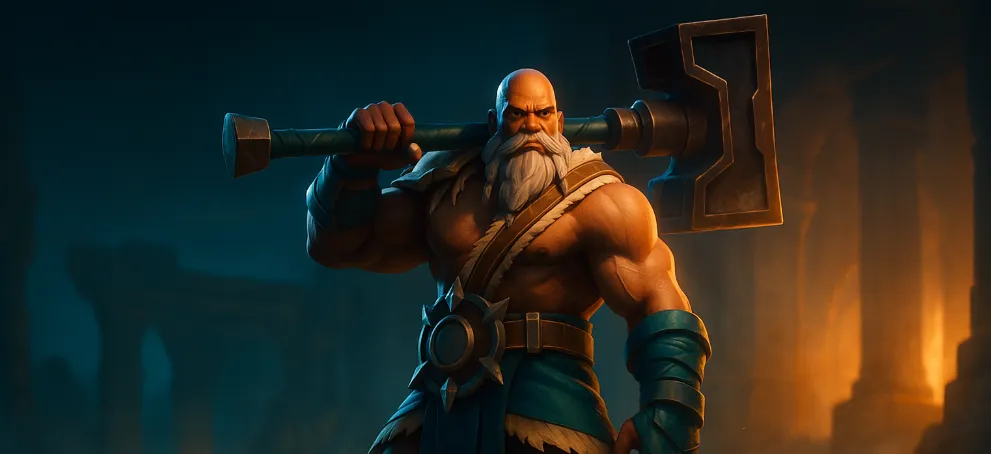
Is Tariq a tank or a DPS?
He plays bruiser-tank by default. You can lean tankier or damage-heavier depending on group need.
What if my healer is weak?
Run Unbreakable Vanguard, pick the extra DR and aura, and slow down pull sizes.
How do I survive magic bosses?
Talent into magic DR, keep Guard for telegraphed spells, and coordinate dispels.
Conclusion – Need Help Clearing Content Fast?
If you want smooth dungeon keys, raid clears, or personalized coaching for Tariq, BoostRoom is a service provider and marketplace where you can purchase game-related services—coaching, carries, farming, and more—tailored to your goals. Jump in, get matched with top players, and start winning today.



