Dota 2 Last Hitting Guide: How to Improve Your CS and Lane Control
Last hitting is one of the first skills every Dota 2 player learns, but it is also one of the skills players continue improving for thousands of games. A beginner needs last hitting to buy early items. A carry needs last hitting to reach farming and fighting timings. A mid player needs last hitting and denying to win the 1v1 lane. An offlaner needs last hitting to survive pressure and reach key levels. Supports need to understand last hitting so they can protect cores, secure important creeps when needed, and avoid ruining lane equilibrium.
CS means creep score. In Dota 2, players usually use CS to describe last hits and sometimes denies. A player with better CS usually reaches items faster, controls the lane better, and has more options in the mid game. One missed creep may not feel important, but missing many creeps over ten minutes can delay Boots, Bottle, Magic Wand, Falcon Blade, Maelstrom, Blink Dagger, Black King Bar, or any other important item timing.
Valve has directly treated last hitting as a key mechanic for learning Dota 2. The official Last Hit Trainer was added to the Learn tab so players can practice “this vital mechanic” and improve their GPM, even while queuing for a game. That is important because last hitting is not just a beginner exercise. It is a measurable skill that affects every ranked match.
This Dota 2 last hitting guide explains how to improve your CS and lane control with practical methods. You will learn how last hits work, how denies work, how to read attack animations, how to secure ranged creeps, how to last hit under tower, how to use creep aggro, how to control lane equilibrium, how to practice, and how BoostRoom can help players improve faster through coaching and replay review.
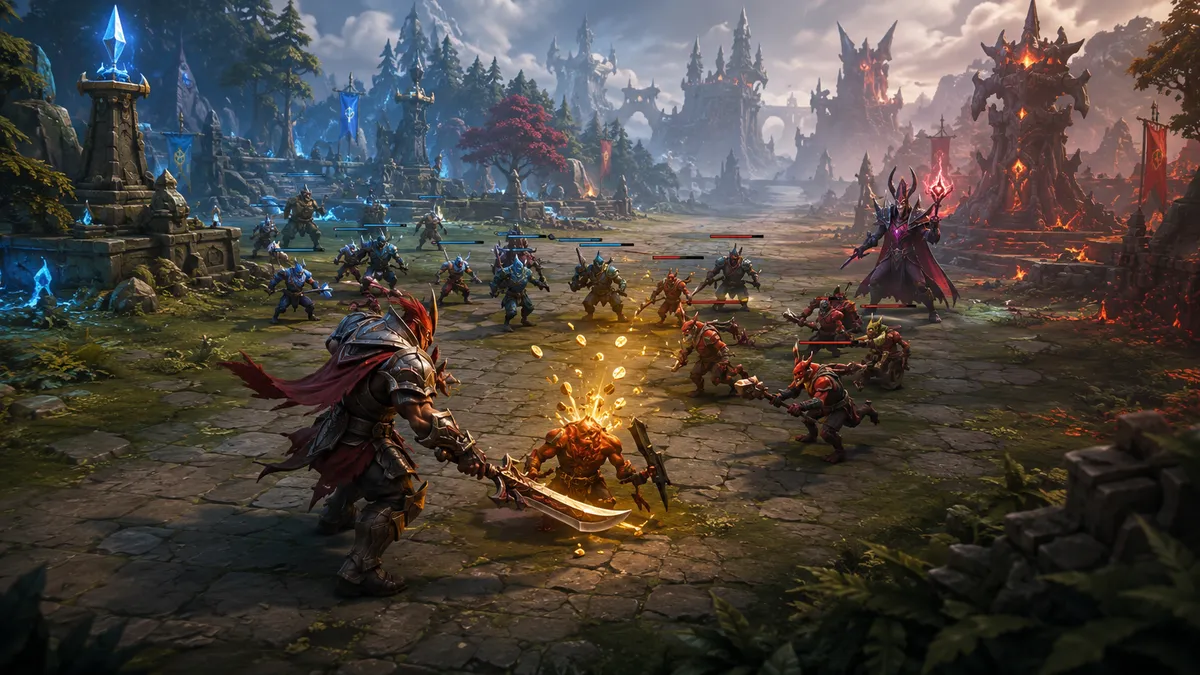
Why Last Hitting Matters So Much
Last hitting matters because it turns lane presence into gold. Standing in lane is not enough. If you miss too many creeps, you may get experience, but your item timing will suffer. A carry who misses early last hits delays farming speed. A mid player who loses last hits and denies may lose rune control. An offlaner who cannot secure farm may reach Blink Dagger or aura timings too late. Even supports are affected because a lane with poor last hitting may lose pressure, tower control, and resource balance.
Dota 2 is a game of small advantages. A few extra last hits can mean earlier Boots. Earlier Boots can help you dodge spells, trade better, or survive a gank. A faster Bottle can help mid control runes. A faster Magic Wand can turn a fight. A faster farming item can multiply your gold over the next ten minutes. This is why last hitting affects more than the lane itself.
Last hitting also affects confidence. When you are farming well, you feel in control. When you miss easy creeps, you may panic, take bad trades, chase kills, or blame your support. Strong players stay calm because they know every wave is another chance to recover.
Improving CS is one of the most reliable ways to improve in ranked games because it does not depend fully on teammates. Teammates can help or hurt your lane, but your attack timing, creep aggro, wave control, and practice habits are under your control.
What Counts as Good CS in Dota 2?
Good CS depends on hero, role, lane matchup, game state, and pressure. There is no single number that applies to every match. A free-farming carry should have much higher CS than a pressured offlaner. A mid Shadow Fiend should usually have different expectations from a mid Puck. A hard support may have very few last hits because their job is not to take core farm.
For beginner and low-rank core players, the first goal should be improvement, not perfection. If you usually get 30 last hits at 10 minutes as carry, aim for 40. If you get 40, aim for 50. If you get 50, aim for 60. A perfect free-farm lane can go higher, but real matches include harassment, denies, pulls, ganks, spell usage, and lane pressure.
For mid players, denies matter more than many beginners realize. A mid player may have slightly fewer last hits but better denies, rune control, and lane pressure. For offlaners, a “good” CS number may be lower if the lane is difficult, but the offlaner should still secure experience, key creeps, and enough gold for early items.
The better question is not only “How much CS did I have?” The better question is: “How much CS should I have had in this lane?” If the lane was easy and you missed free creeps, that is a problem. If the lane was hard and you survived with decent XP and some farm, that may be successful.
BoostRoom coaching can help players judge CS correctly by reviewing the actual lane instead of comparing every game to one unrealistic number.
Understand Lane Creeps Before You Last Hit
Lane creeps are the main early source of CS. They meet in waves, fight each other, and create the lane state. Understanding how they behave helps you last hit and control the lane.
Lane creeps give gold to the player who gets the killing blow. Experience is shared differently, and nearby heroes can receive experience from dying creeps even if they did not last hit. The Dota 2 Wiki explains that lane creep gold bounty is granted only to the player who lands the killing blow, while experience is available to nearby heroes; denied lane creeps give reduced experience to enemies.
This means last hitting is the difference between being near creeps and actually gaining gold. If you stand in lane and watch creeps die, you may still gain some experience, but your gold will be much lower. This is especially damaging for core heroes.
Different creep types matter too. Ranged creeps are very important because they are easier to kill quickly and provide valuable lane resources. Siege creeps matter because they pressure towers. Melee creeps form most of the wave and control equilibrium. If you understand which creep is about to die and how much damage your own creeps deal, last hitting becomes more predictable.
Do not stare only at enemy heroes. Watch the creep wave. The creep wave tells you when to attack, when to deny, when to aggro, when to push, and when to back away.
Attack Animation: Learn Your Hero’s Timing
Every hero feels different when last hitting. Some heroes have fast attacks. Some have slow wind-ups. Some have slow projectile speed. Some have high base damage. Some have low base damage. This is why you may last hit well on one hero and struggle on another.
Attack animation has two important parts: when your hero starts the attack and when the damage lands. Melee heroes usually deal damage when the attack connects. Ranged heroes fire a projectile, and the damage lands when the projectile reaches the creep. A ranged hero with a slow projectile must attack earlier than a ranged hero with a fast projectile.
This is one reason practicing your actual hero pool matters. Last hitting with Sniper, Drow Ranger, Lina, Shadow Fiend, Dragon Knight, Wraith King, Zeus, and Crystal Maiden all feels different. If you play five different heroes randomly, you may never build strong muscle memory. If you practice a smaller pool, you learn exactly when to click.
A simple practice method is to enter demo or Last Hit Trainer and focus only on attack timing. Do not use spells. Do not buy extra damage at first. Learn the base attack animation. Once your basic timing improves, add real-game variables like enemy pressure, denies, tower hits, and spell usage.
Good last hitting starts with knowing your hero’s damage rhythm.
Base Damage and Damage Variance
Hero damage matters. A hero with higher attack damage can last hit earlier and more easily. A hero with low attack damage may need better timing or early stat items. Many heroes also have damage variance, meaning their attack damage can roll within a small range. This is why a creep may sometimes survive with very low health even when you thought the attack would kill it.
Starting items can help. Branches, stat items, Quelling Blade for melee heroes, and other early damage or stat choices can make last hitting easier. Good players buy starting items that match the lane. If your hero struggles to last hit, early damage can be valuable. If the lane is full of harassment, regen may matter more. If you are mid, stats and Bottle timing may matter.
Do not blame every missed creep on your hero. Some heroes are harder, but timing improves with practice. At the same time, do not ignore item choices. If your hero needs damage to secure last hits, buy appropriate starting items instead of entering lane with a weak setup.
Last hitting is mechanical, but it is also preparation.
Do Not Auto-Attack the Wave Without Purpose
One of the biggest beginner mistakes is auto-attacking creeps constantly. This pushes the wave, makes last hits harder, and can put your lane in a dangerous position. If you hit creeps too early, your wave kills the enemy wave faster, and the lane moves toward the enemy tower. That may expose you to ganks, enemy support pressure, or bad trades.
Auto-attacking is not always wrong. Sometimes you want to push. You may push to secure a rune, pressure a tower, reset the wave, force the enemy under tower, or leave the lane. But auto-attacking without a plan usually hurts lane control.
Instead, practice waiting. Move your hero, use stop commands, and watch creep health. Attack only when the creep is low enough to kill. If your hero starts auto-attacking after every command, adjust your settings or use stop commands more carefully.
Good players control the wave with intention. They do not let the wave control them.
How to Read Creep Health
Reading creep health is the core last-hitting skill. You need to know when your attack will kill the creep. This depends on your hero damage, allied creep damage, enemy deny attempts, and projectile timing.
A useful method is to watch the rhythm of allied creep attacks. If three allied creeps are attacking one enemy creep, its health will fall quickly. If only one creep is attacking it, you have more time. If the enemy hero is also trying to deny, you may need to attack earlier or use a spell.
For ranged creeps, watch closely. They often die faster because several units may attack them at once. Securing ranged creeps is especially important because losing them can affect lane momentum and experience. Many mid players use spells to secure ranged creeps because missing them is too costly.
You can practice by predicting the creep’s death before it happens. Tell yourself, “one more allied creep hit, then I attack.” This builds timing. Over time, your eyes will recognize the correct health threshold automatically.
The goal is not to click faster. The goal is to click at the correct moment.
Ranged Creeps: The Most Important Creep in the Wave
Ranged creeps are extremely important in lane. They provide valuable gold and experience, and because they have lower health than melee creeps, they are often contested heavily. Missing your ranged creep while the enemy denies theirs can create a serious lane disadvantage.
Mid lane especially revolves around ranged creep control. Many heroes use spells to secure the ranged creep while also damaging the enemy hero. This is efficient because it gets gold, prevents a deny, and creates pressure at the same time.
Side lanes should also respect ranged creeps. A carry should not casually miss ranged creeps. A support may help secure one if the core cannot safely reach it. An offlaner may use a spell for the ranged creep if walking forward would be dangerous.
Denying the enemy ranged creep is also powerful. If you can deny their ranged creep while securing yours, you gain a strong resource advantage over time.
A simple rule: never ignore the ranged creep. If you must use mana to secure it in a contested lane, it is often worth considering.
Denying: How to Improve Lane Control and Reduce Enemy XP
Denying means killing your own allied creep before the enemy can last hit it. Denying reduces enemy value and helps control lane equilibrium. Denies are especially important in mid lane, but every lane can benefit from them.
The current Dota 2 lane creep system gives enemies reduced experience from denied lane creeps instead of full experience; Dota 2 Wiki references denied lane creeps as granting 50% experience to nearby enemy heroes. Liquipedia’s denying changelog also notes the modern deny change where denying players no longer gain a portion of the creep’s gold bounty and denied lane creep experience for the denied team was set to 50%.
For cores, last hits usually come first. Do not miss your own gold just to deny. But when a friendly creep is low and you can deny safely, it is valuable. Denying slows enemy levels, makes enemy last hitting harder, and can pull the lane back toward your side.
For supports, denying helps the lane when the core is not missing farm. A support who denies carefully can help maintain safe equilibrium. But a support who attacks randomly may push the wave or disrupt the core’s last-hit timing.
Denying is not only about denying a creep. It is about denying enemy momentum.
Last Hits vs Denies: Which Comes First?
If you are a core, last hits usually matter more than denies because gold is essential for your item timings. If two creeps are dying at the same time and you can only choose one, secure your last hit first. However, strong players learn to manage both.
If you are mid, denies can be nearly as important because level advantage and lane control matter heavily. A mid player who denies well can force the enemy to use extra resources or lose access to runes. Still, missing your own ranged creep for a deny is usually bad unless there is a specific reason.
If you are offlane, denies are useful but survival matters. Do not walk into death to deny a creep. If you are support, your priority is helping your core. Deny when it helps the lane and does not steal attention from trading, pulling, or protecting.
A simple priority system for cores is:
Secure important last hits.
Secure ranged creeps.
Deny when safe.
Use creep aggro to make both easier.
Avoid taking bad damage for low-value creeps.
Better players make all of these decisions quickly because they practice them repeatedly.
Creep Aggro: The Key to Safe CS
Creep aggro is one of the most important mechanics for improving CS and lane control. It lets you pull enemy lane creeps toward yourself by issuing an attack command on an enemy hero while near enemy creeps. The Dota 2 Wiki explains that an attack order alone can aggro enemy lane creeps within acquisition range, even if the attack itself does not actually happen. Liquipedia also describes lane creep aggro as drawing enemy lane creeps when issuing an attack order on an enemy hero while within range.
This matters because you do not always need to walk into danger to last hit. You can aggro creeps closer to you, making the last hit safer. This is especially useful for melee heroes against ranged harassment, offlaners under pressure, and mid players contesting difficult waves.
Creep aggro helps you:
Secure last hits safely.
Pull the wave closer to your tower.
Break enemy deny control.
Avoid taking too much harassment.
Set up better lane equilibrium.
Move ranged creeps into easier positions.
Make enemy heroes choose between harassing and last hitting.
Practice creep aggro every lane. Even if you only use it a few times per wave, it can save health and improve CS. Many lower-rank players do not use creep aggro enough, which means they take unnecessary damage for simple creeps.
Good creep aggro makes hard lanes playable.
How to Use Creep Aggro Step by Step
To use creep aggro, stand near enemy lane creeps, issue an attack command on an enemy hero, then move back. The enemy creeps may switch target and follow you briefly. You can then last hit from a safer position.
You do not always need to actually attack the enemy hero. The attack command is what matters. This means you can use aggro to manipulate creeps without committing to a fight. The enemy may try to deny, but you can pull the creep away from them.
Use creep aggro when:
A creep is low but dangerous to approach.
The lane is too far forward.
The enemy support is zoning you.
You are melee against ranged pressure.
You want to secure a ranged creep.
You want to pull the wave closer to your side.
You want to disrupt enemy denies.
Be careful not to overuse aggro in a way that ruins your lane. If you constantly drag creeps in strange directions without understanding the wave, you may make last hits harder. Use aggro with a goal.
A good drill is to enter a lane and use creep aggro once every wave. Do not worry about perfection. Build the habit first.
Lane Equilibrium: Where the Wave Stands Matters
Lane equilibrium means where the creep waves meet and fight. This is one of the biggest parts of lane control. If the wave is in a safe place, last hitting becomes easier. If the wave is in a dangerous place, every creep becomes risky.
Creep control techniques such as last hitting, denying, creep blocking, aggro, and pulling all affect equilibrium. The Dota 2 Wiki’s creep control page explains that creep blocking is especially useful for the first wave and that lane position can matter heavily, especially in mid where high ground can affect last hitting and vision.
For safe lane carries, the ideal wave is often near your tower but not directly under it. This lets you farm safely while avoiding enemy tower range. For offlaners, the ideal wave depends on matchup, but many offlaners want the wave close enough to get experience without dying. For mid players, controlling the wave affects rune access, high-ground advantage, and gank risk.
If you push the wave too much, the enemy may farm under tower or the lane may become unsafe. If you deny and aggro well, the wave can stay closer to your side. If the lane becomes too bad, supports may pull to reset it.
Last hitting is not just about one creep. It is about shaping the next wave.
Creep Blocking: Control Starts Before the Lane Meets
Creep blocking is slowing your first creep wave so it meets closer to your side of the lane. This can create a safer starting position, especially in mid. The Dota 2 Wiki explains that creep blocking is generally most useful on the first wave, and in mid lane it can help you stand on your side of the river to last hit.
Good creep blocking gives you an early lane advantage. If the wave meets closer to your tower or high ground, you may last hit more safely. If you block badly and the wave meets too close to your tower, the tower may hit creeps and make last hitting harder. The goal is not always to block as hard as possible. The goal is to create a good meeting point.
Mid players should practice blocking because the first wave can affect the next several waves. Side-lane players should also understand it, though side-lane blocking has different goals depending on safe lane, offlane, and current map layout.
A simple practice drill is to block the first wave in a lobby until you can make it meet in a consistent place. Do this with your main heroes because hero movement speed and model feel can change the block.
Good lane control starts before the enemy appears.
Last Hitting Under Tower
Tower last hitting is one of the most important recovery skills in Dota 2. Even if you control the lane well, there will be moments when the wave goes under your tower. If you cannot last hit under tower, you will lose many free creeps.
Tower last hitting depends on hero damage and creep type. The exact number of hits can change with creep health, tower targeting, and allied creep damage, so do not rely only on a fixed formula. Instead, learn the pattern. Watch how much damage the tower deals, prepare the creep with one attack if needed, then last hit after the correct tower hit.
Melee creeps usually require a different setup than ranged creeps. Ranged creeps often need quick preparation because they die faster. Siege creeps require special attention because they are valuable and tankier.
If you are a low-damage hero, you may need to hit the creep before the tower does too much damage. If you are a high-damage hero, you can wait longer. If allied creeps are also attacking, the timing changes.
Practice tower last hits in demo or custom lobbies. Many players lose dozens of gold every game simply because they panic under tower. If you learn tower patterns, pushed waves become less scary.
Using Spells to Secure Creeps
Using spells for last hits is not bad. Wasting spells is bad. There is a difference.
If an important creep will be denied or missed, using a spell can be correct. Mid players often use spells to secure ranged creeps. Offlaners may use spells when walking forward is dangerous. Carries may use spells to secure multiple creeps or a catapult wave if the lane is heavily contested. Supports may use spells to secure a creep only if the core cannot get it or if it prevents a deny.
The question is whether the mana creates value. If you use mana to secure a ranged creep and damage the enemy hero, that is usually efficient. If you use mana to secure one melee creep while missing the ranged creep afterward, that may be bad. If you spend all mana on creeps and then cannot escape or fight, that can lose the lane.
Spell usage should support lane control. Some spells push the wave heavily, which may be dangerous. Others secure creeps without much wave disruption. Learn how your hero’s spells affect equilibrium.
A simple rule: use spells for important creeps, not lazy creeps.
Using Stop Commands and Attack Cancels
Stop commands and attack cancels help improve last hitting because they let you prepare attacks without committing too early. You can start an attack, cancel it, move, and then attack at the correct moment. This is especially useful when trying to fake out enemy denies.
If you attack too early, you damage the creep but may not kill it. This can allow the enemy to deny. If you wait too long, the creep dies to allied creeps. Attack canceling helps you stay ready without mistiming.
This skill is very important in mid lane. Two players often stare at the same low-health creep. The player with better attack timing, canceling, and deny prediction wins the creep.
Practice by moving your hero between attacks instead of standing still. This keeps your hero active, helps dodge skillshots, and makes your timing sharper. Strong laners rarely stand completely still in lane. They move, fake, aggro, cancel, and last hit.
Mechanical control does not need to be flashy. Small movement and stop-command habits make CS more consistent.
Trading and Last Hitting at the Same Time
A lane is not only creeps. Enemy heroes will hit you, cast spells, deny creeps, and pressure your position. Improving CS means learning to farm while being harassed.
Do not take bad trades for one creep. If the enemy support will take half your health for one melee creep, that creep may not be worth it. Use aggro, spells, or let it go. If the enemy carry walks up for a last hit and you can hit them for free without missing your own creep, that is good trading.
The best time to harass an enemy is often when they are going for a last hit. They must choose between hitting the creep, hitting you, or backing away. The same applies to you. When you walk up for a creep, expect the enemy to pressure you.
Supports should understand this too. A good support pressures enemies when your core wants to last hit. A bad support trades randomly while the core is being zoned from creeps. If support pressure lines up with creep timing, the core gets easier CS.
Good laning means combining CS and trading instead of treating them as separate skills.
How Supports Should Help Core CS
Supports can greatly improve a core’s CS without taking farm. The best supports understand when the core needs help securing creeps and when the core needs space.
Support players should trade with enemy heroes so the core can last hit. They should block or unblock pull camps to control equilibrium. They should pull when the lane is too far forward. They should secure ranged creeps only when the core cannot get them. They should avoid auto-attacking the wave randomly.
A support who attacks creeps constantly may push the wave and make the carry’s CS harder. A support who stands too far back may let enemies zone the core. The correct support position is usually active enough to pressure enemies but careful enough not to ruin last hits.
Supports also help by bringing regen. If the core is low health, they cannot walk up for CS. A Tango, Healing Salve, or lane item support can protect the core’s ability to farm. Good supports understand that keeping the core in lane often creates more gold than taking a few creeps.
Support impact is not always visible on the CS number, but it often creates the conditions for that CS.
How Carries Should Improve Last Hitting
Carry players should treat last hitting as a core responsibility. Supports can help, but the carry must still secure creeps. If you miss uncontested creeps, that is on you.
As carry, focus on early lane stability. Buy proper starting items. Learn your attack animation. Use creep aggro. Do not auto-attack without purpose. Keep the wave near a safe area. Communicate when you need pulls. Use spells for key creeps only when needed. Avoid taking bad trades that force you away from the wave.
Carry players should especially practice last hitting under pressure. Free-farm practice is useful, but real lanes involve harassment. Practice against bots or friends if needed. Learn how to last hit while enemy supports attack you. Learn when to give up one creep to preserve health.
Track your 10-minute CS. Do not obsess over one game, but look at trends. If your CS is consistently low in easy lanes, your mechanics need work. If your CS drops only in hard lanes, your lane-control and pressure response need work.
A carry who improves early CS will reach every later timing faster.
How Mid Players Should Improve CS and Denies
Mid lane is the purest last-hit battle. You are usually in a 1v1 lane where every last hit, deny, aggro pull, and ranged creep matters. Mid players must learn CS and denies deeply.
Use creep aggro constantly. Secure your ranged creep. Deny the enemy ranged creep when possible. Use spells to secure creeps and pressure the enemy at the same time. Control the wave before rune timings. Avoid pushing without purpose unless you want to secure a rune, rotate, or pressure tower.
Mid players must also understand high ground. If you are attacking uphill without vision, attacks can miss. The creep control page notes the value of standing on your side of the river in mid partly because high-ground positioning affects visibility and ranged last hitting.
Do not rotate randomly if it costs too many creeps. A failed side-lane rotation can lose your CS advantage and give the enemy mid free farm. If you push the wave first, rotate with a rune, and create a kill, the movement is much stronger.
Good mid CS is not just about gold. It creates level advantage, rune control, tower pressure, and map tempo.
How Offlaners Should Improve CS in Hard Lanes
Offlaners often last hit under pressure. The enemy carry and hard support may try to zone you, deny you, and punish every creep. This makes offlane CS different from carry CS.
As an offlaner, use creep aggro to pull creeps closer. Do not walk into two heroes for every last hit. Prioritize experience if the lane is too dangerous. Use spells to secure ranged creeps if needed. Contest pulls with your position 4. Drag waves or manipulate equilibrium if the lane becomes unplayable.
You may not get perfect CS as offlane, and that is fine. Your goal is to get enough gold and experience to become useful while slowing the enemy carry. If you die repeatedly for creeps, you are helping the enemy carry more than hurting them.
Offlane CS should be judged by matchup. In a strong lane, you should pressure and farm. In a hard lane, survival and levels may be the win. BoostRoom replay review can help offlane players understand whether their CS was low because of a hard matchup or because of avoidable mistakes.
A good offlaner gets value without feeding.
How Supports Should Think About CS
Supports do not usually focus on CS, but they still need to understand it. A support should not steal farm from cores, but should take farm that would otherwise be wasted. If a creep wave is dying to tower and no core is nearby, a support can take it. If a camp is unused and a support can clear it safely, that can be good. If a support is close to a key item, one empty wave can matter.
In lane, supports should usually not take last hits from the core. Exceptions happen when the core cannot reach the creep, when the creep will be denied, or when securing the ranged creep is important. Communication helps.
Supports should deny when possible. Denies help lane control and reduce enemy value. But do not tunnel vision on denies while your core gets harassed or the enemy support pulls.
Support CS is about responsibility. Do not steal important farm, but do not let resources go to waste.
Lane Control Through Pulling
Pulling is a lane-control tool, especially for supports. When a support pulls neutral creeps into lane creeps, it can reset equilibrium, deny enemy experience, and bring the wave back to a safer position.
Pulling is strongest when the lane is pushed too far forward. If your carry is farming near the enemy tower and at risk, a pull can bring the wave back. However, pulling at the wrong time can expose your core or create a double wave that pushes later.
Core players should understand pulls too. If your support is pulling, play carefully. If the enemy support is pulling, decide whether to contest, pressure the enemy core, or fix the wave. If you ignore enemy pulls, your lane may become much harder.
Pulling is connected to last hitting because it changes which creeps are available and where the wave meets. A good pull can create safe CS. A bad pull can make CS harder.
How to Last Hit When the Enemy Is Denying Well
Some lanes are hard because the enemy is better at denying. They may have higher damage, better animation, or stronger lane position. You need tools to handle this.
Use creep aggro to pull creeps away from their deny range. Use spells for important creeps. Time your attack earlier if the enemy can deny quickly. Fake attacks with stop commands to bait their deny attempt. Ask your support to pressure them when creeps get low. Buy early damage if needed.
If the enemy has a big damage advantage, do not fight every creep the same way. Focus on ranged creeps and safer last hits. Sometimes securing three important creeps is better than taking heavy damage trying to contest every melee creep.
Mid players should especially learn this. If the enemy mid has higher damage, use aggro and spells to neutralize the advantage. Do not stand there losing every deny battle in the same way.
Better CS is not only better clicking. It is using every lane tool available.
How to Last Hit Against Harassment
Harassment makes last hitting harder because you must manage health and positioning. If you take too much damage, you cannot approach the wave. If you play too far back, you miss creeps.
Start with enough regen. Many players lose CS because they refuse to buy extra regen. A few early consumables can help you stay in lane and secure far more gold than they cost. Use creep aggro to avoid walking into enemy attacks. Stand behind or near your creeps when possible. Do not fight inside a large enemy wave.
If a support is harassing you, watch their position. When they walk too far forward, your support may punish them. If your support is not nearby, respect the enemy. Missing one creep is better than losing half your health.
If the harassment is spell-based, Magic Stick or Magic Wand can be valuable. If it is right-click harassment, armor, regen, or positioning may help. If the lane is impossible, consider pulling, dragging, jungling, or swapping lanes depending on role.
A strong laner does not stubbornly take damage for every creep. They protect health so they can farm the next wave too.
Tower CS Practice
Tower last hitting deserves special practice because many waves end up under tower in real games. You should know how your main heroes last hit under tower with and without damage items.
Practice these situations:
Full health melee creep under tower.
Damaged melee creep under tower.
Full health ranged creep under tower.
Siege creep under tower.
Wave with allied creeps also attacking.
Low-damage hero under tower.
High-damage hero under tower.
The goal is to understand how much preparation each creep needs. Sometimes you hit once before tower damage. Sometimes you wait. Sometimes you use a spell. Sometimes you need to secure the ranged creep quickly before tower and allied creeps kill it.
Do not panic under tower. The tower is predictable if you practice. If you are calm, you can recover many creeps that other players miss.
CS Drills to Improve Fast
The fastest way to improve last hitting is focused practice. Playing ranked games helps, but it includes too many distractions. A short daily drill can improve your mechanics quickly.
Use the Last Hit Trainer in the Learn tab. Valve built it specifically to help players practice last hitting and improve GPM. Practice with your main heroes, not random heroes. Start without using spells. Focus on timing. Then add denies. Then add movement. Then practice under tower.
A good drill routine:
Five minutes of free last hitting.
Five minutes of last hitting and denying.
Five minutes of creep aggro practice.
Five minutes of tower last hits.
One replay review of your first ten minutes.
Do not practice for hours without focus. Short, consistent practice is better. Track your numbers and try to beat your previous score. If you miss a creep, ask why. Did you attack too early? Too late? Did you ignore allied creep damage? Did you misread your projectile speed? Did you stand in the wrong place?
Practice creates muscle memory. Replay review creates understanding. Together, they improve CS faster.
Replay Review: How to Analyze Your Last Hitting
Replay review is one of the best ways to improve CS because it shows mistakes you did not notice during the game. Watch your first ten minutes and focus only on creeps.
Ask these questions:
How many free creeps did I miss?
Did I miss ranged creeps?
Did I use creep aggro?
Did I auto-attack and push the lane?
Did I take bad damage for low-value creeps?
Did I use spells correctly?
Did I deny when possible?
Did I miss tower last hits?
Did support movement affect my CS?
Did I leave lane at the right time?
Do not only look at your final CS number. Look at the reason behind it. If your CS was low because you were zoned by two heroes and your support was gone, that is different from missing uncontested last hits. If your CS was low because you died twice taking bad trades, that is a lane decision problem. If your CS was low because you missed tower creeps, that is a practice problem.
BoostRoom can help players review these details with a coach. A coach can identify whether your CS problem is mechanics, lane control, starting items, support coordination, matchup knowledge, or map awareness.
Common Last Hitting Mistakes
One common mistake is attacking too early. This leaves the creep low and lets the enemy deny it.
Another mistake is attacking too late. The creep dies to allied creeps before your hit lands.
Another mistake is ignoring projectile speed. Ranged heroes must account for travel time.
Another mistake is auto-attacking the wave constantly. This pushes the lane and makes CS harder.
Another mistake is ignoring creep aggro. You do not need to walk into danger for every creep.
Another mistake is missing ranged creeps. Ranged creeps are too important to ignore.
Another mistake is taking too much harassment for one creep. Protecting health matters.
Another mistake is not buying enough regen or early damage. Starting items affect CS.
Another mistake is using spells lazily. Use spells for important creeps, not random ones.
Another mistake is blaming supports for every missed creep. Supports matter, but core mechanics still matter.
Another mistake is not practicing tower CS. Many free creeps are lost under tower.
Fixing these mistakes can improve your lane immediately.
Advanced Lane Control: When to Push the Wave
Pushing the wave is not always bad. It is bad when it happens accidentally. Good players push with purpose.
Push the wave when you want to secure a rune, reset equilibrium, pressure tower, rotate, force the enemy to last hit under tower, or leave lane without losing too much. Mid players often push before rune timings so they can move first. Carries may push when they want to pull the next wave back or farm nearby camps. Offlaners may push when pressuring tower or forcing the carry to last hit under tower.
Do not push when it makes your lane unsafe for no reason. Do not push when your carry wants the wave near tower. Do not push when the enemy offlaner wants the wave close to their side. Do not push when you have no vision and the enemy can gank you.
Lane control is not about always holding the wave. It is about knowing when to hold and when to push.
Advanced Lane Control: When to Hold the Wave
Holding the wave means keeping it in a useful position. This is often done through last hitting only, denying, creep aggro, and careful body positioning.
Carries often want to hold the wave near their tower but outside tower range. This makes farming safer and forces the enemy offlaner to step forward. Mid players may hold the wave on high ground to make enemy last hits harder. Offlaners may hold or drag the wave to survive pressure.
To hold the wave, avoid unnecessary attacks. Deny friendly creeps. Use aggro to pull enemy creeps closer. Block or contest pulls that ruin the wave. If the wave is pushing too hard, ask your support to pull.
Holding the wave requires patience. Some players get bored and start hitting creeps. Do not hit creeps just because nothing is happening. If the wave is in a good spot, protect it.
A stable wave often creates more gold than random aggression.
How BoostRoom Helps Players Improve CS and Lane Control
BoostRoom can help Dota 2 players improve last hitting and lane control through coaching, replay review, and practical lane analysis. Many players know they have low CS, but they do not know why. The reason may be attack timing, creep aggro, poor starting items, bad wave control, weak support coordination, missing tower last hits, or taking bad trades.
BoostRoom coaching can show exactly where gold is being lost. A coach can review your first ten minutes, count missed free creeps, explain when to use creep aggro, show when you pushed the wave accidentally, and identify why the enemy was able to deny so much. This is especially useful because CS mistakes repeat from game to game.
For carry players, BoostRoom can help improve safe lane CS, farming transitions, and item timing. For mid players, it can help with ranged creep control, denies, rune wave management, and spell usage. For offlaners, it can help with difficult-lane CS, creep aggro, pull contesting, and survival. For supports, it can help with protecting core CS, pulling, denying, and not ruining equilibrium.
Improving CS is one of the easiest skills to measure. If your last hits improve, your item timings improve. If your lane control improves, your deaths decrease. If your early game improves, your ranked games become much easier.
FAQ
What is last hitting in Dota 2?
Last hitting means landing the final hit on an enemy creep, neutral creep, tower, or unit to receive gold. In lane, last hitting enemy creeps is one of the main ways core heroes earn early gold.
What does CS mean in Dota 2?
CS usually means creep score. Players use it to describe last hits and sometimes denies. Higher CS usually means better farming, stronger item timings, and more lane control.
How do I improve last hitting in Dota 2?
Improve last hitting by practicing your hero’s attack animation, watching creep health, avoiding random auto-attacks, using creep aggro, securing ranged creeps, practicing tower CS, and reviewing missed creeps in replays.
Should I focus on last hits or denies first?
If you are a core, focus on securing your own last hits first, then deny when safe. In mid lane, denies are especially important, but missing your own valuable creeps for denies is usually a mistake.
Why do I miss last hits under tower?
Tower last hits are missed because players do not understand tower damage timing, creep health, or hero damage. Practice under tower with your main heroes until the patterns become natural.
What is creep aggro in Dota 2?
Creep aggro is when lane creeps change target and attack you after you issue an attack command on an enemy hero while near them. It is used to pull creeps closer and control the lane.
How does creep aggro help last hitting?
Creep aggro helps you bring enemy creeps closer to your hero, making last hits safer. It is especially useful when the enemy is zoning you or when the lane is in a dangerous position.
Why are ranged creeps important?
Ranged creeps are valuable and often contested. Securing your ranged creep and denying the enemy ranged creep can create a strong lane advantage, especially in mid.
How many last hits should I have at 10 minutes?
It depends on role, hero, and matchup. Instead of chasing one perfect number, focus on improving your average. Carries and mids should aim to steadily increase their 10-minute CS over time.
Can BoostRoom help me improve last hitting?
BoostRoom can help with Dota 2 coaching, replay review, last-hit analysis, creep aggro training, lane-control advice, tower CS practice, and role-specific CS improvement.
Final Thoughts: Better CS Creates Better Games
Last hitting is one of the most important fundamentals in Dota 2. Better CS gives you faster items, stronger lanes, better map pressure, and more confidence. It also makes every role easier. Carries reach farming items faster. Mids control runes and levels better. Offlaners survive hard lanes more consistently. Supports understand how to protect cores and control waves.
Improving CS is not only about clicking faster. It is about reading creep health, understanding your hero’s attack animation, using creep aggro, securing ranged creeps, denying when safe, controlling equilibrium, and knowing when to use spells. It is also about avoiding common mistakes like auto-attacking without purpose, missing tower creeps, taking bad harassment, and ignoring wave position.
Practice matters. Use the Last Hit Trainer. Practice your main heroes. Review your first ten minutes. Track your progress. Focus on one habit at a time. If you improve from 35 to 45 last hits at ten minutes, then from 45 to 55, your item timings will improve naturally.
BoostRoom can help players speed up this improvement with coaching and replay review. Instead of guessing why your CS is low, you can learn exactly what is costing you gold and how to fix it.
Better last hitting creates better lane control. Better lane control creates better item timings. Better item timings create better fights. In Dota 2, that chain can be the difference between struggling in ranked and climbing with confidence.



