



Marvel RivalsInformational
Black Panther Rival
Learn how to dominate as Black Panther in Marvel Rivals, discover his key rivalries (including Killmonger), and explore our boosting services to level up fast.
Read more

Marvel Rivals is a free-to-play game, so the Battle Pass and skins are how it keeps the lights on. That’s totally fine—as long as you know what you’re buying and you’re not spending money just because the store made you feel rushed. The tricky part is that Marvel Rivals doesn’t use one simple “buy skin = done” system. It uses multiple currencies, bundles, a page-based Battle Pass, and extra cosmetic layers like recolors and ultimate VFX. If you don’t understand the structure, it’s easy to waste currency on the wrong thing and still feel like you “got nothing.” This guide breaks everything down in plain language: how the Battle Pass works, how the currencies connect, how bundles are priced, what’s actually worth paying for, and what to skip (especially if you’re on a budget). You’ll also get smart, low-stress rules for collecting cosmetics without falling into FOMO.
Check out some of our most popular Marvel Rivals services:
Before you decide what’s “worth it,” you need to understand the most important promise Marvel Rivals makes about monetization:
Paid content is cosmetics.
That means you’re paying for style—costumes (skins), MVP animations, emotes, sprays, nameplates, frames, and cosmetic effects—not power.
So if your goal is to win more games, you do not need to spend money. The smartest “competitive investment” is stable performance settings, a small hero pool, and better fundamentals—not a store purchase.
That said, cosmetics still matter for a lot of players because they improve enjoyment. If you love your hero’s look, you’ll often play more, learn faster, and stick with the game longer. Just make sure you’re buying cosmetics because you want them—not because the game pressured you.
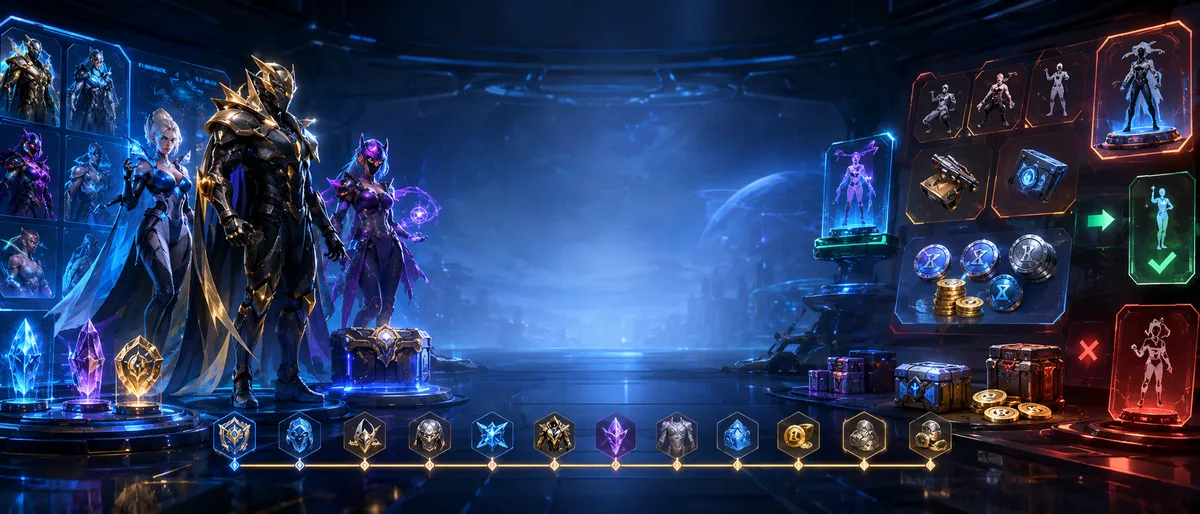
Marvel Rivals is easiest to understand when you treat its currencies like a flowchart.
Lattice (gold)
Units (blue)
Chrono Tokens (Battle Pass tokens)
Unstable Molecules (cosmetic customization currency)
The “money flow” in one sentence
Real money → Lattice → (Units for store cosmetics) and/or (Chrono Tokens for Battle Pass progress) and/or (Unstable Molecules for cosmetic upgrades)
If you understand that, you’ll stop making the most common spending mistake: buying premium currency for one purpose, then realizing the item you wanted actually uses a different currency.
Marvel Rivals’ Battle Pass is not just “level up and get rewards.” It’s a page-based system where you:
Here are the mechanics that matter the most:
Pages unlock by total earned tokens, not by your current balance
This is huge. Spending tokens doesn’t reduce your ability to unlock future pages, because pages are tied to the cumulative total you earned during the season.
Rewards cost Chrono Tokens
A typical pattern (varies by season) is that big-ticket items like costumes cost more tokens than small cosmetics like sprays or nameplates. If you’re on a limited token budget, you’ll want a plan (more on that later).
There’s a “Redemption Account” concept
The Battle Pass tracks certain token totals and applies rules at season settlement, especially for carryover. In plain language, there are limits on how much unused currency can carry over, and some carryover rules depend on what you earned/spent during the season.
Automatic reward redemption can happen at season end (for paid pass owners)
If you purchased the premium Battle Pass, the game can automatically redeem rewards in order at season end until you run out of Chrono Tokens or complete the pass. This is useful if you forget to spend tokens, but it also means you should understand your priorities—because “auto spend” may not pick the cosmetics you value most first.
You can exchange premium currency for Chrono Tokens
This is the “skip progress” option. It’s there if you’re late in a season or missed missions, but it’s generally the most expensive way to collect cosmetics unless you truly don’t have time to play.
Marvel Rivals Battle Pass tiers typically look like this:
Free Track
Luxury Battle Pass (Premium)
Upgraded Luxury Battle Pass
The easiest way to think about it
Marvel Rivals is known for a player-friendly idea: if you bought a premium Battle Pass, you can keep unlocking its rewards later, even after the season ends.
That’s great… but the practical reality matters:
This feature is still a big win compared to games that delete Battle Pass rewards forever. Just don’t buy a pass assuming you’ll instantly get everything later with zero effort.
Here’s the honest value test that saves money.
Buy the Luxury Battle Pass if you match 2 or more of these:
Skip the Luxury Battle Pass if 2 or more of these are true:
Buy the Upgraded Luxury Pass only if one of these is true:
Skip the Upgraded Luxury Pass if you’re an average regular player
If you already play enough to finish a normal Battle Pass, the upgrade is mostly a convenience purchase—not a “better deal.”
Because the Battle Pass is page-based and token-driven, you can waste tokens on things you don’t care about and then miss the cosmetics you actually wanted.
Use this priority system:
Priority 1: Skins you will actually use
A skin is worth more than 10 sprays if you main that hero.
Priority 2: MVP animation for your main hero
If you like MVP moments and you actually get MVP sometimes, this is the most “felt” cosmetic after skins.
Priority 3: Emotes you’ll use regularly
Emotes are fun, but only if you remember to use them.
Priority 4: Everything else
Sprays, nameplates, frames, mood/emoji items—nice, but low-impact for most players.
A smart token habit
Before you redeem anything, pick your “top 3” rewards and treat everything else as optional. This prevents the classic end-of-season moment: “I spent tokens on random cosmetics and now I’m short for the skin I wanted.”
The store in Marvel Rivals usually sells cosmetics as bundles, not only as single items.
A typical “standard bundle” includes:
Bundles are usually discounted compared to buying every item separately.
Important detail that catches people:
Buying a costume separately does not always reduce the bundle price in a clean “1:1” way. In many store systems, the remaining bundle can become relatively expensive compared to the value you’d expect. That means:
The simplest rule: decide upfront whether you want the bundle or just the skin.
Marvel Rivals commonly uses price tiers for bundles. A typical structure looks like:
(Exact items and rarity can vary, but this is the common pricing shape players see.)
What “worth it” means at each tier
The best way to judge a bundle
Ask these three questions:
If the answer to #3 is “yes,” the skin alone might be your best buy.
Not all cosmetics “feel” the same while you play.
Costumes (skins): highest value
MVP animations: medium value
Emotes: fun value
Sprays and nameplates: low “felt” value
A budget-friendly approach is simple: buy skins you’ll use, earn the rest free whenever possible.
Check out some of our most popular Marvel Rivals services:
Costume customization can look amazing—alternate color palettes, cosmetic Ultimate VFX, and other style upgrades can make your hero feel unique even if many players own the base skin.
But customization currencies (like Unstable Molecules) often create a “double pay” feeling:
When Unstable Molecules are worth it
When they aren’t worth it
A smart rule
Only spend customization currency on your top 1–3 most played heroes. Everything else is optional.
Some seasons and events introduce special exchange currencies, like Costume Coins, that can be used in an Exchange Store for cosmetics—often focusing on costumes without bundles.
This kind of system is usually excellent value because:
How to use Costume Coins smartly
The common mistake
Spending a Costume Coin on a skin you “kind of like” because you were in a hurry. If the coin doesn’t expire, waiting is often the correct move.
Marvel Rivals runs events that reward cosmetics through gameplay. These are often the best way to build a collection without spending.
What’s usually worth grinding in events
What’s usually not worth stress-grinding
The “healthy FOMO rule”
If an event reward makes you feel anxious, set a simple cap:
Your enjoyment matters more than completing every checklist.
Occasionally, games add limited-time mechanics that feel like “try your luck” for a bundle or special cosmetic. Even when these mechanics use in-game currency, they can encourage repeated spending.
For players who want to make smart decisions—especially younger players—the safest approach is:
If you want cosmetics without regret, direct-choice systems (Battle Pass picks, bundles, exchange stores) are almost always healthier than chance-based systems.
Different players should spend differently. Here’s the most practical breakdown.
If you spend $0 (free-to-play)
Worth it:
If you spend around $10 occasionally
Best value:
If you spend $20–$40 per season
Worth it:
If you’re a collector
Worth it:
This is the decision most players face.
Battle Pass is usually better value when:
Store skins/bundles are usually better value when:
A simple rule that saves money:
If you only want one skin, don’t buy a Battle Pass hoping you’ll “learn to like” the other rewards.
If you want to buy cosmetics without feeling bad later, use these rules:
Rule 1: Buy for a hero you already play, not a hero you might play
Cosmetics feel best when you actually see them every match.
Rule 2: Don’t buy because you’re tilted
Tilt spending is real. If you lost a match and feel frustrated, do not shop.
Rule 3: Never buy a bundle unless you like the skin
If the skin doesn’t excite you, the bundle won’t either after one week.
Rule 4: Avoid chasing cosmetics with premium token exchanges
Buying Chrono Tokens with premium currency is usually the least efficient path unless you’re saving a nearly-complete pass.
Rule 5: Wait 24 hours for expensive purchases
If you still want it tomorrow, it’s probably a good buy. If not, you just saved money.
If you’re a teen (or buying for one), it’s worth building a healthy spending system that protects you from impulse and pressure.
Use a monthly cap
Check out some of our most popular Marvel Rivals services:
Even a small cap like “one Battle Pass per season” keeps spending controlled.
Avoid spending when tired or emotional
Late-night purchases and frustration purchases are the most regretted.
Use platform purchase protections
Most platforms allow spending limits, purchase approvals, or password confirmations. That one extra step prevents accidental purchases and impulse buys.
Talk about purchases like subscriptions, not like “one-time treats”
Live-service games always add new cosmetics. If you treat spending like a subscription budget, you avoid the “just one more bundle” trap.
Remember the core truth
Skins are fun, but they don’t increase your skill. Your time and practice matter more than your cosmetics.
Cosmetics are supposed to make the game more fun—not more stressful. But a lot of players buy skins trying to “feel better,” then still feel stuck because their gameplay fundamentals don’t improve.
BoostRoom helps you get the best of both worlds:
If you want your Marvel Rivals experience to feel cleaner, calmer, and more rewarding—BoostRoom is designed to help.
Is Marvel Rivals pay-to-win?
No. The paid content is cosmetic. You can play and win without buying anything.
Is the Luxury Battle Pass worth it?
Usually yes if you play consistently and like several rewards in the season theme. If you only want one skin or rarely play, it’s usually not worth it.
Is the Upgraded Luxury Pass worth it?
It’s mainly a convenience purchase. It can be worth it if you start late or you value finishing faster, but most regular players don’t need it.
Can I finish a Battle Pass later if I buy it now?
Premium Battle Passes are designed so you can keep unlocking what you purchased later, but you still need to earn tokens in future seasons to claim those rewards.
Should I buy bundles or skins individually?
Buy the bundle if you like multiple items (especially the MVP animation and emote). Buy the skin alone if you only want the costume and don’t care about the extras.
What are Unstable Molecules used for?
They’re used for cosmetic upgrades like costume recolors (chromas) and sometimes Ultimate VFX upgrades, usually requiring you to already own the base costume.
What’s the smartest way to get cosmetics without spending?
Focus on free Battle Pass tiers, events, achievements, and exchange-store currencies when available. Prioritize skins for heroes you actually play.
More Reads
Learn how to dominate as Black Panther in Marvel Rivals, discover his key rivalries (including Killmonger), and explore our boosting services to level up fast.
Read more
“Loadout” in Marvel Rivals isn’t like a traditional shooter where you pick attachments, perks, and equipment. In Marvel Rivals, your loadout is the combination of role identity + hero choice + team synergy + settings + habits that you bring into every match. When those pieces match your role, you feel durable as a Vanguard, lethal as a Duelist, and clutch as a Strategist—even if your teammates are random and your mechanics aren’t perfect.
Read more
Explore the epic Adam Warlock rival storyline and learn how to master Adam Warlock in Marvel Rivals. Get tips, strategies, and discover our boosting services to level up fast!
Read more
If you’re switching between PC and console (or even between PC launchers), it’s easy to assume everything “just syncs.” In reality, Marvel Rivals has a very specific account-linking system with rules about primary characters, cooldowns, platform-exclusive cosmetics, and even rank/leaderboard separation by device. Once you understand what does sync and what doesn’t, you can avoid the two biggest headaches players run into: (1) linking the “wrong” account and (2) expecting ranks or platform-exclusive items to carry over when they can’t. This guide explains crossplay, account linking, and cross-progression in one clear place—what you can share, what you can’t, and how to set it up safely so you don’t lock yourself into a 180-day cooldown mistake.
Read more